
Husbandry & Evidence Review – 6 September 2026
Summer fruit-fly failures are multifactorial. Heat can accelerate development and media change, while mites, moisture, inoculum and hygiene also matter. No temperature or preservative strategy guarantees a culture will not crash.
Ask most UK dart frog keepers what summer’s biggest danger is, and they’ll usually say heat.
Fair enough.
But honestly? One of the most overlooked summer disasters often isn’t your frogs directly — it’s your fruit fly cultures collapsing right when your frogs need stable feeding most.
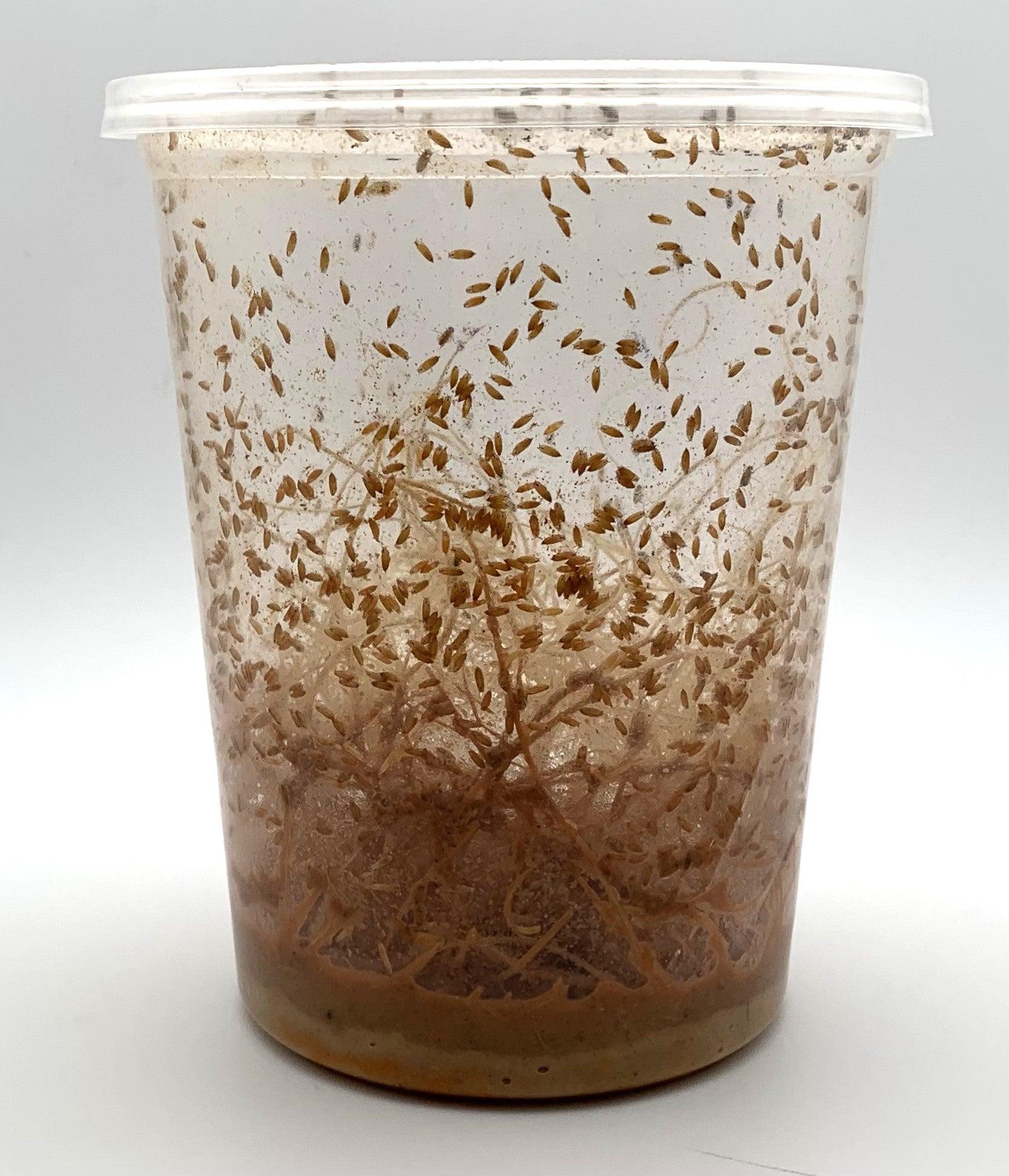
Because while everyone’s watching vivarium temperatures, plenty of keepers suddenly realise their cultures have:
- Moulded over
- Gone sour
- Dried too fast
- Exploded with mites
- Stopped producing
- Or crashed entirely
And when you keep dart frogs, especially multiple vivs or breeding groups, that food chain wobble can become a real husbandry problem fast.
Summer changes everything for fruit fly cultures.
Heat speeds metabolism. Moisture shifts faster. Media breaks down differently. Mites thrive. Fermentation changes. Containers overheat. Rotation timing matters more.
In other words — UK summer can absolutely wreck lazy fruit fly culture habits.
So if your flies seem to die faster, boom then bust, smell wrong, or become unreliable every warm spell… you’re probably not imagining it.
Here’s what’s actually happening, and what I personally see UK dart frog keepers get wrong every year.
First: Summer Speeds Everything Up — Including Problems
Fruit flies are temperature-sensitive.
Warmer conditions often mean:
- Faster breeding
- Faster media breakdown
- Higher bacterial growth
- Faster mould potential
- Shorter productive windows
- Increased mite activity
This can trick newer keepers because cultures may initially look brilliant.
Huge boom. Loads of movement. Great production.
Then suddenly?
Collapse.
That’s because summer often accelerates the entire cycle — including decline.
The Classic UK Summer Trap: Warm House + Poor Ventilation
British homes aren’t always built for stable summer livefood storage.
Loft rooms, reptile rooms, enclosed shelving, airing cupboards (yes, people do this), or warm kitchens can quietly cook cultures.
I’ve seen cultures perform worse at 28°C in stagnant air than slightly warmer but ventilated setups.
Why?
Because trapped heat plus humidity often pushes:
- Condensation
- Sour media
- Mould blooms
- Mite surges
Fruit fly cultures don’t just hate heat — they hate unstable heat.
Mould: Why Summer Cultures Go Furry Faster
Warmer temperatures can increase microbial activity dramatically.
If your media is too wet, poorly mixed or badly ventilated, summer often magnifies every weakness.
Common causes:
- Overhydrated media
- Old media recipes
- Poor ventilation lids
- Dirty excelsior
- Cross contamination
- Warm stagnant shelves
One thing I notice often in UK setups is people trying to “future proof” cultures by making them too wet.
Bad move in heat.
Summer media often benefits from slightly smarter moisture control — not swamp mix.
Read: Best Fruit Fly Media Mix DIY.
Mites: Summer’s Quiet Nightmare
If mould is obvious, mites are sneakier.
Warmer weather often makes mite issues explode faster, especially if:
- Old cultures stay too long
- Media spills
- Shared shelves
- Poor separation
- Reused contaminated materials
And once mites gain traction, your whole production line can wobble.
For multi-viv UK keepers, this can become a full feeding infrastructure problem.
Real-world prevention:
- Rotate aggressively
- Keep shelves clean
- Separate generations
- Don’t hoard dead cultures
- Reduce spill zones
Summer Rotation Should Usually Be Faster
This is probably the biggest practical shift.
If your winter culture rhythm is every X days, summer may require faster replacement because production curves change.
Many keepers wait until cultures visibly decline.
In summer, that’s often too late.
I’d much rather see UK keepers run slightly more cultures, slightly earlier, than gamble on aging tubs during a heatwave.
Hydration vs Drowning Your Media
Another common panic response:
“My cultures are drying faster, so I’ll add more moisture.”
Sometimes yes.
Often no.
Adding moisture to old cultures can:
- Spike mould
- Destabilise yeast balance
- Encourage bacterial bloom
- Create sludge
Usually better:
- Improve storage temp
- Adjust fresh media recipe
- Use smarter room placement
- Increase rotation
Best UK Summer Storage Spots
Ideal fruit fly storage often means:
- Stable room temp
- No direct sun
- Good airflow
- No sealed hot cupboards
- Away from vivarium lighting stacks
Honestly, many people accidentally sabotage cultures by storing them too close to frog racks, where ambient heat quietly rises.
Your frog room may not be your best fly room.
Culture Size Matters Too
Bigger cultures can generate more internal heat.
During summer, oversized booming cultures may crash harder.
Sometimes multiple smaller staggered cultures outperform giant tubs because they reduce catastrophic loss.
Don’t put all your flies in one sweaty basket.
Backup Feeding Matters More in Summer
This is where experienced keepers differ massively from beginners.
Good summer planning often includes:
- Extra culture overlap
- Backup melanogaster
- Backup hydei
- Supplemental livefood options
- Emergency purchase plan
Because if summer wipes your flies unexpectedly, your frogs still need feeding.
Read:
What Healthy Summer Cultures Usually Look Like
- Steady production
- Normal smell
- Controlled moisture
- No sudden fuzz
- Minimal mites
- Predictable life cycle
What Crash Signals Look Like Early
- Media collapse
- Sharp sour smell
- Wet sludge
- Sudden inactivity
- Mite movement
- Mass die-off
- Explosive mould
Like dart frog husbandry itself — small early signs matter.
My Honest Frogfather Summer Fruit Fly Rule
Summer punishes complacency.
The keepers who struggle most are usually the ones running the exact same fly routine they used in February.
Heat changes systems.
So adapt:
- Storage
- Rotation
- Media moisture
- Monitoring
- Backup plans
Your frogs may be thriving… until your food supply quietly isn’t.
And in my experience, fruit fly crashes often hurt beginners harder than summer vivarium heat itself.
FAQ
Why do fruit fly cultures crash faster in summer?
Higher temperatures speed breeding, media breakdown, mould growth and mite reproduction, shortening stable culture life.
Should I make fruit fly media wetter in summer?
Not automatically. Over-wet media often worsens mould and bacterial issues.
Where should I store fruit fly cultures in hot weather?
Cooler, stable, ventilated rooms away from direct heat, vivarium racks and sunlight usually perform best.
How do I stop mites in summer?
Better hygiene, faster rotation, shelf cleanliness and avoiding old culture buildup are key.
Safety Disclaimer
Livefood culture stability varies by species, media recipe and environment. Always monitor cultures closely and maintain backup feeding options to avoid sudden food shortages for dart frogs.