Description
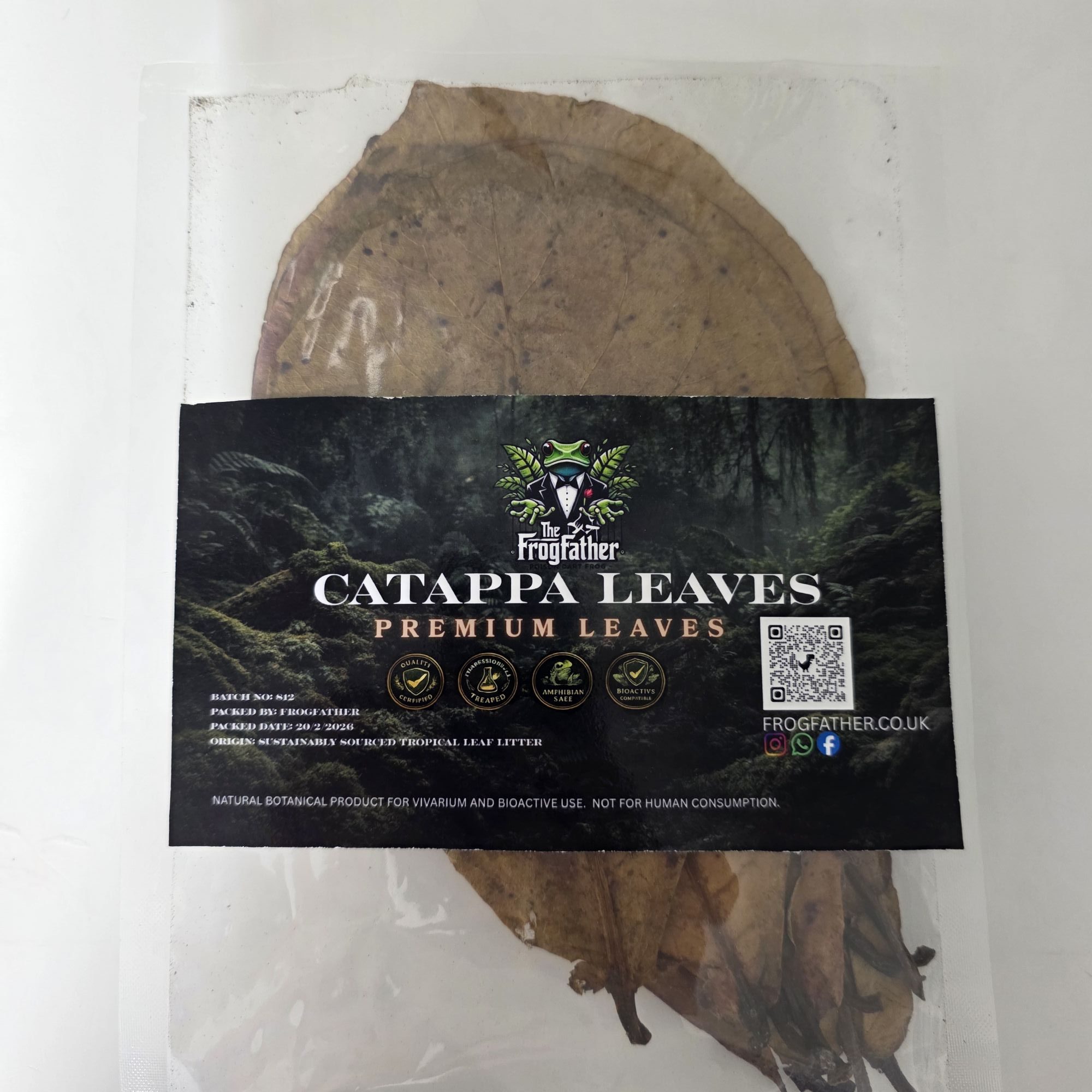
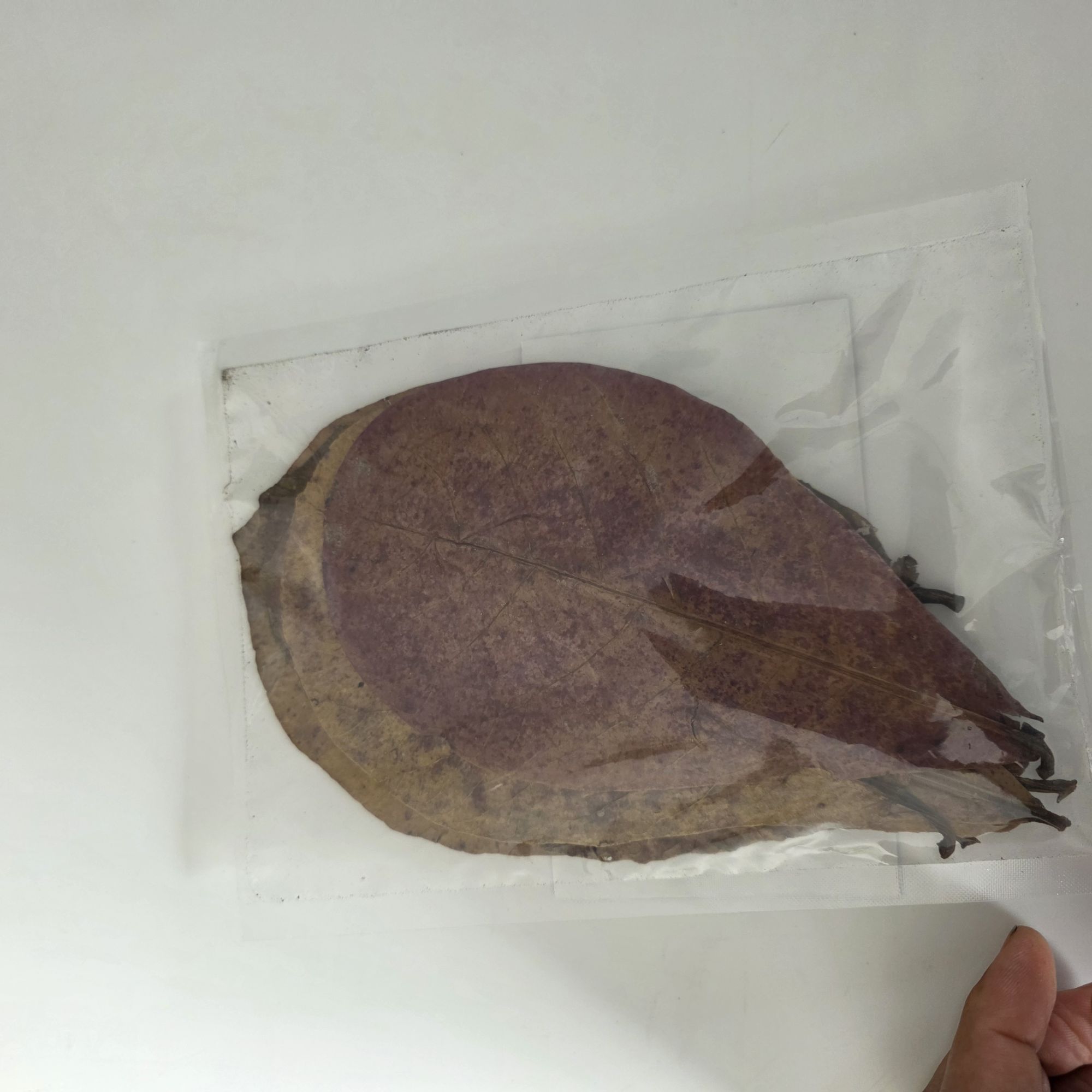
Catappa Leaves for Vivariums – 50g
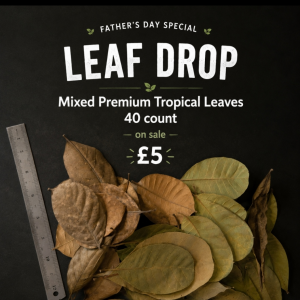
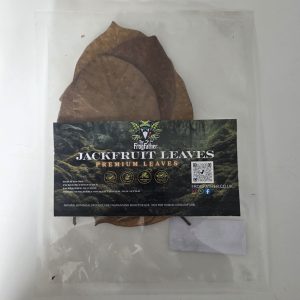
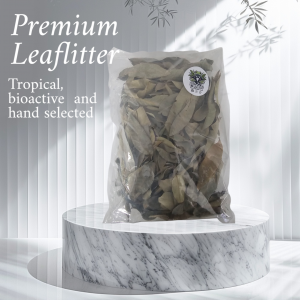
Premium dried Terminalia catappa leaves supplied as tropical botanical leaf litter for planted vivariums and terrariums.
Why use catappa leaves?
- Add broad-leaved floor cover and natural visual structure.
- Provide surfaces and decomposing organic material for detritivorous microfauna.
- Release tannins and other soluble botanical compounds as they become wet.
- Can be mixed with other suitable leaf types to vary texture and decomposition rate.
Claims corrected
We previously stated that tropical catappa leaves last “significantly longer” than temperate leaves, stabilise humidity and bioactive balance, and were automatically “amphibian safe”. Those statements were too absolute.
Leaf toughness and longevity vary enormously between species, and large global analyses do not support a blanket rule that tropical leaves are mechanically tougher than temperate leaves. Likewise, no botanical material should be called safe for amphibians solely because it has been dried or cleaned: sourcing, residues and preparation matter.
Before use
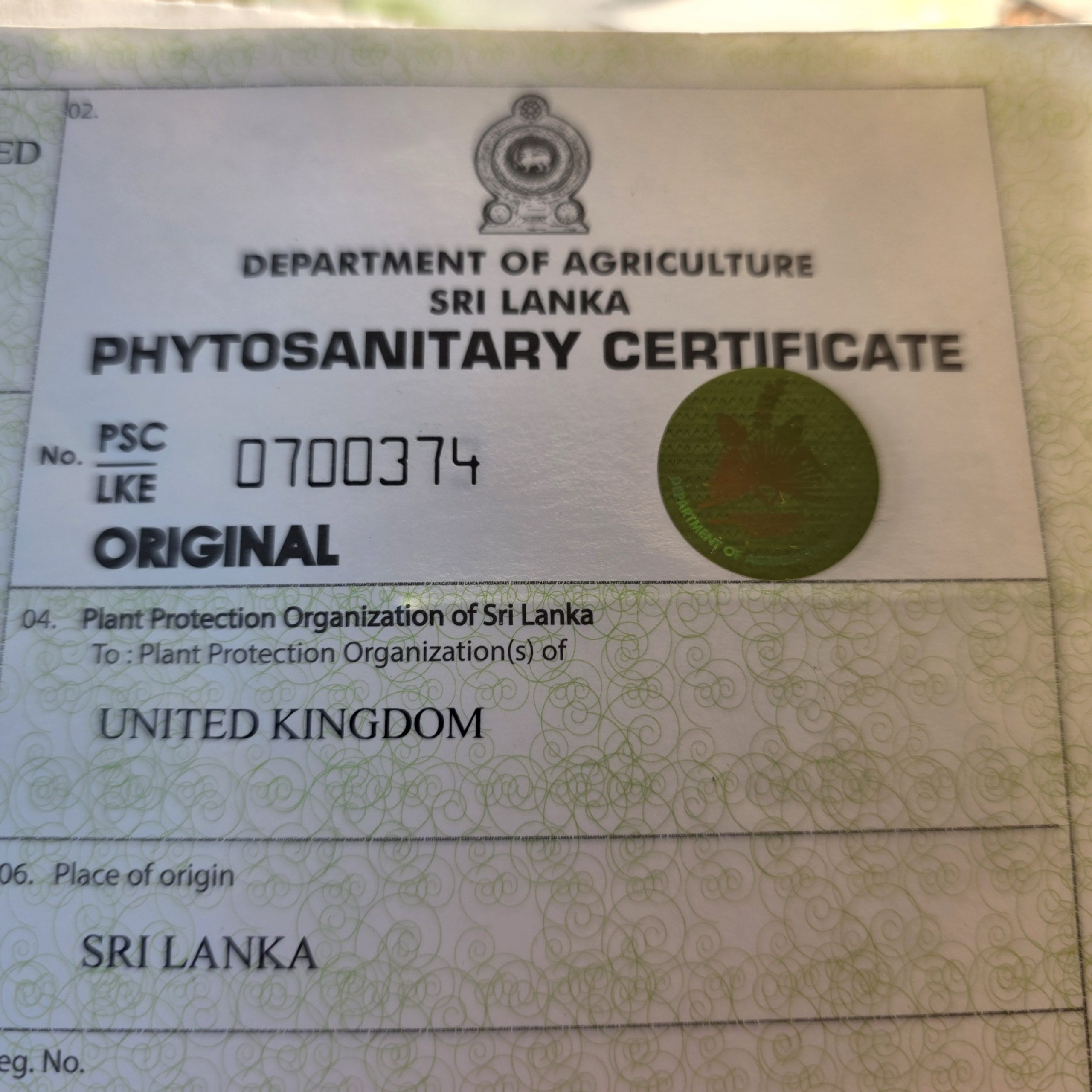
Inspect and rinse the leaves. Use material from a known supply chain and do not introduce leaves that smell chemically treated, show suspicious residues or have become badly contaminated during storage. Replace or top up leaf litter as it breaks down.
At Frogfather we use catappa as one component of our own planted and aquatic husbandry systems. That is practical husbandry experience rather than proof that catappa is biologically superior to every suitable UK leaf species.
Leaf Litter & Evidence Review
Last reviewed: 5 September 2026
Leaf litter can provide cover, feeding surfaces for detritivores, organic material for decomposition and local moisture retention. Breakdown rate varies greatly between plant species, individual leaves and enclosure conditions.
Some Terminalia catappa extracts show antimicrobial activity in laboratory assays, but that does not establish that ordinary dried leaves in a frog vivarium prevent infection, suppress mould reliably or improve amphibian skin health. We therefore describe tannins and botanical use without turning in-vitro extract results into veterinary claims.
Evidence & further reading
- Mwangi et al. (2024) – antimicrobial activity of Terminalia catappa extracts in vitro
- Govindan et al. (2026) – T. catappa extract antibacterial activity; authors note in-vivo validation is still required
- Onoda et al. – global patterns of leaf mechanical properties; tropical leaves are not universally tougher than temperate leaves