Husbandry & Evidence Review – 6 September 2026
The auto-feeder is a convenience/dispensing device, not a precision dosing instrument. Feeding frequency and supplement exposure still require keeper oversight.
Dart frog feeding is about to get a serious upgrade. For years, keepers have relied on manual dusting, shaking, and timing to get fruit flies into the vivarium. It works — but it’s messy, inconsistent, and easy to forget when life gets busy. The new Frogfather Auto-feeder for live prey in vivariumschanges everything.
Designed for keepers who want consistency without compromise, this smart 3D-printed device automatically dispenses fruit flies pre-dusted with calcium and vitamin powder. The result? Timed feeder releases that can support a planned feeding routine — even when you’re not around to do it by hand.
Why Manual Feeding Falls Short
Anyone who’s kept dart frogs knows the routine: tip a culture, tap the flies into a cup, add your powder, swirl, and shake them into the vivarium. It works fine… until you forget a dusting, drop too many flies, or realise you’re running low on powder. Over time, those small inconsistencies can affect growth, fertility, and colouration.
That’s where technology comes in. Frogfather’s new auto-feeder takes the guesswork out of nutrition by doing the dusting and dosing for you — automatically. No overfeeding, no clumping powder, and no waste.
The Concept: Automated Release and Dusting Concept
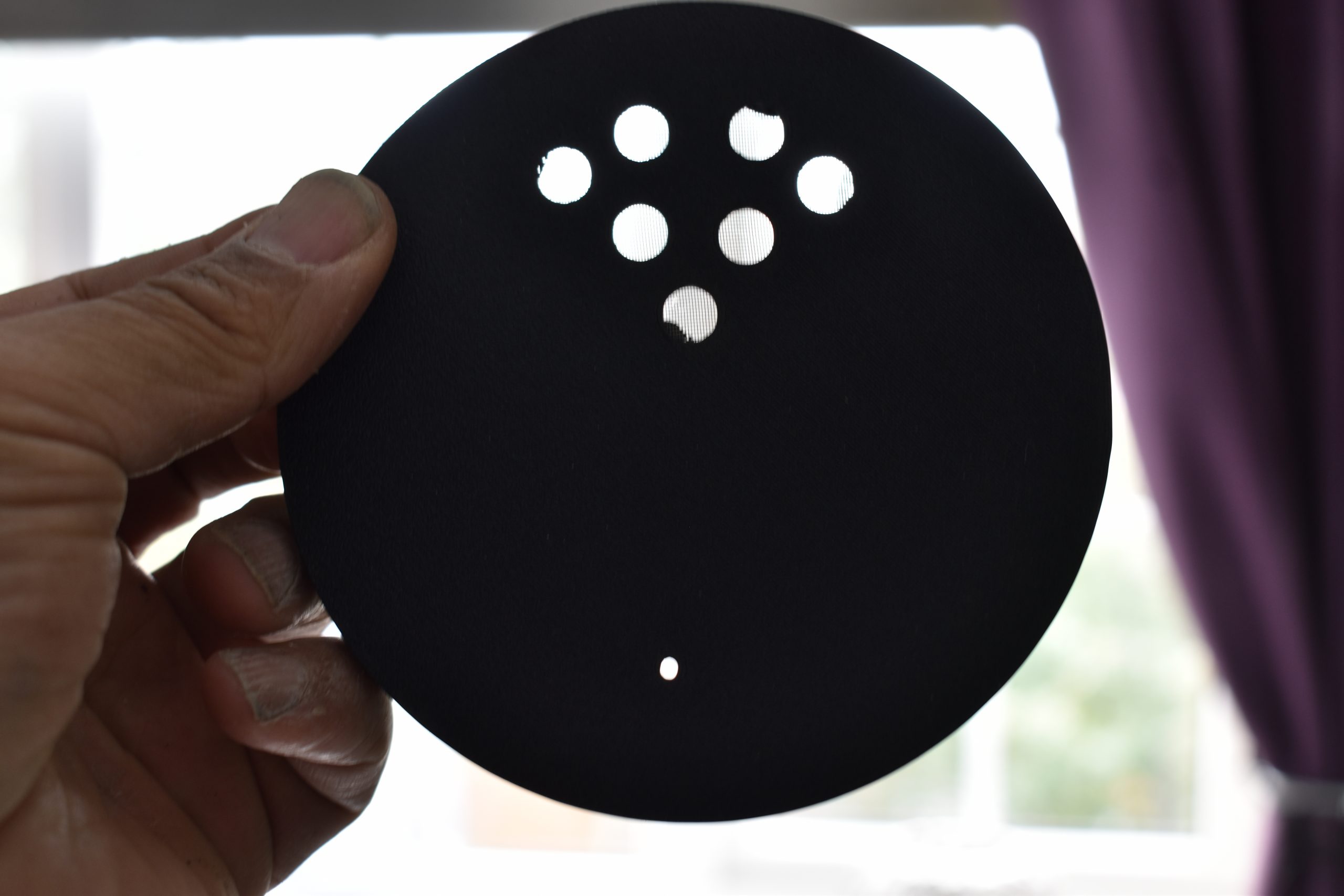
Every few hours, the feeder gently releases a pre-measured portion of flies into your vivarium, rolling them through a micro-dosing chamber lined with supplement powder. Release timing can be adjusted by the keeper; the device does not establish a biologically calibrated dose for every dart frog, mantella or insectivore. You can even adjust the interval depending on whether you’re raising froglets or maintaining adults.
It’s compatible with your existing Frogfather Fruit Fly Media, so your cultures stay productive longer, especially when paired with a pinch of Methylparaben to prevent mould growth.
The Future of Amphibian Feeding
Automating your feeding routine isn’t just convenient — it’s transformative. The Frogfather Auto-Feeder makes it possible to support a feeding routine when the keeper is away; it cannot guarantee nutrition or eliminate transport/feeding stress, freeing you to focus on enrichment and vivarium design. Flies can pick up powder as they pass through the chamber, but the amount carried and ultimately eaten varies; the feeder does not deliver an exact absorbed supplement dose.
For breeders, this means better growth rates, more stable weight maintenance, and stronger colours thanks to consistent vitamin A and carotenoid delivery. For hobbyists, it means peace of mind — whether you’re away for a weekend or simply want a cleaner, more controlled way to feed.
As bioactive setups become more advanced, automation will play a key role in amphibian husbandry. Paired with smart lighting, misting systems, and our anti-mould fruit fly media, the Frogfather Auto-Feeder brings the precision of professional breeding setups into home collections.
Frequently Asked Questions
1. How does the auto-feeder dust the flies?
The feeder releases fruit flies slowly through a narrow internal corridor lined with supplement powder. Every fly walks through this section before entering the vivarium, picking up an even coating of calcium or vitamins without stress or clumping.
2. Can I use different supplements in the chamber?
Use only one coherent supplementation system appropriate to the exact products. Do not automatically rotate overlapping powders simply because the device can hold them. The powder chamber can be cleaned and refilled in seconds.
3. Does it work with both D. hydei and D. melanogaster fruit flies?
Yes, both species move comfortably through the internal dusting corridor. The design ensures flies pass through at a natural pace, dusting evenly regardless of size or speed.
4. How often does the feeder dispense food?
The standard timing releases flies several times per day, but interval settings can be adjusted based on your frogs’ needs. Shorter cycles suit growing froglets, while longer intervals work for adult groups or larger vivariums.