
Husbandry & Evidence Review – 5 September 2026
Plant health is useful information about the horticultural conditions in an enclosure, but weak plant growth is not by itself a diagnostic test of frog husbandry or ecosystem ‘balance’.
One of the most common problems in a dart frog vivarium is not dead plants. It is underperforming plants.
That distinction matters more than many keepers realise.
A plant can stay alive for months in a warm, damp enclosure and still be telling you that something is wrong. It may not melt away. It may not rot. It may not lose every leaf. But if it is putting out weak growth, staying stunted, failing to root properly, or never really spreading into the enclosure, it is not thriving. It is surviving.
In a planted dart-frog setup, healthy plants can provide visual barriers, cover, root structure, shade and local microclimates. They take up and release water and can influence evaporation, but they do not independently regulate whole-enclosure humidity or prove that the vivarium is biologically healthy.
That is one reason this topic matters so much for anyone interested in dart frog care. If your plants are only surviving, your enclosure may still look acceptable on the surface, but the system underneath is often weaker than it should be.
Surviving Plants and Thriving Plants Are Not the Same Thing
Many keepers judge success too gently. If the plant is still green and not obviously dying, they assume it is fine. In reality, there is a huge difference between a plant that is merely tolerating your setup and one that is actively growing in it.
A surviving plant often shows signs like:
- Very slow or almost no new growth
- Leaves staying small compared with normal form
- Weak rooting or poor anchoring
- Minimal spread across hardscape or substrate
- Constant “holding pattern” with no real progress
A thriving plant, by contrast, does not just remain present. It starts to behave like it belongs there. It roots with confidence, produces new foliage regularly, responds well to the enclosure’s humidity cycle, and begins to influence the environment around it.
That is what you want in a bioactive enclosure for dart frogs. You do not want decorative survivors. You want plants that are actively participating in the ecosystem.
Why This Matters in a Dart Frog Vivarium
People often separate plant health from frog husbandry, but in a well-built enclosure the two are closely linked.
Thriving plants support dart frogs in several ways:
- They create visual security and help frogs feel less exposed
- They provide climbing, resting, and shelter zones
- They slow moisture loss from parts of the enclosure
- They support better microclimates within the vivarium
- They improve the resilience of the whole bioactive setup
That last point is especially important. A dart frog vivarium is not just a glass box with frogs and decorations. It is a layered living system. Your substrate, clean-up crew, humidity patterns, airflow, hardscape, and plants all interact. If plants are struggling, it is often a sign that the wider enclosure is not as balanced as it looks.
For keepers researching bioactive vivariums for dart frogs, this is a useful mindset shift. Plant performance is not just about aesthetics. It is one of the clearest visual indicators of how well your enclosure is functioning overall.
Why Plants So Often “Look Fine” But Are Not Fine
This is where people get caught out.
Many terrarium and vivarium plants are fairly tolerant. They can remain alive in mediocre conditions for surprisingly long periods. Some species will sit in a sort of suspended state, alive enough to avoid obvious collapse, but not healthy enough to establish strongly.
That creates a false sense of success.
The keeper thinks the plant is suitable. The plant is actually just coping.
In the short term, that may not seem like a problem. Over the longer term, though, weak plant growth often leads to a weaker enclosure. Humidity becomes less buffered. Bare substrate remains exposed. Hardscape never greens over properly. Leaf litter zones feel more open and less stable. The vivarium may still function, but it does not mature in the way a really good dart frog enclosure should.
The Biggest Reasons Vivarium Plants Fail to Thrive
When plants underperform in a dart frog setup, the cause is usually not a mystery. It is usually one of a few repeating issues, or a combination of them.
1. Not Enough Useful Light
This is one of the most common causes by a mile.
A vivarium can look bright to you and still be underlit from the plant’s perspective. Some keepers rely on lights that make the enclosure look attractive without delivering enough usable light at plant level. Others underestimate how much light is lost through mesh tops, mounting height, glass, plant layering, or shaded hardscape.
Plants in those conditions often stay alive, but they do not push vigorous growth. They become static.
That is one reason lighting is such an important part of dart frog vivarium planning. It is not only about making frogs visible. It is about supporting the plant layer that makes the enclosure function properly.
2. Weak or Depleted Substrate
Substrate is often treated as if it were just a base layer, but for thriving plant growth it matters enormously.
A weak substrate may hold the plant upright for a while without truly feeding or supporting it. Over time, root strength suffers. Growth slows. Leaves stay smaller than they should be. The enclosure may still feel damp, but that is not the same as being fertile or structurally rich enough for plant development.
In established dart frog enclosures, substrate health is tied to decomposition, microfauna, moisture handling, and organic cycling. When those things are working together, plants usually show it.
3. No Real Nutrient Cycle
People sometimes assume “bioactive” means plants will automatically sort themselves out. That is not how it works.
Bioactive systems are not magical. They are functional. A functional system still needs cycling, decomposition, biological activity, and enough organic movement to support long-term growth.
If there is no meaningful nutrient cycle, plants often stall. They survive on what they arrived with, then slowly flatten out.
That is why a truly established enclosure often behaves differently from a newly planted one. In a mature dart frog vivarium, the best growth usually comes once the system starts acting like an ecosystem rather than a fresh display.
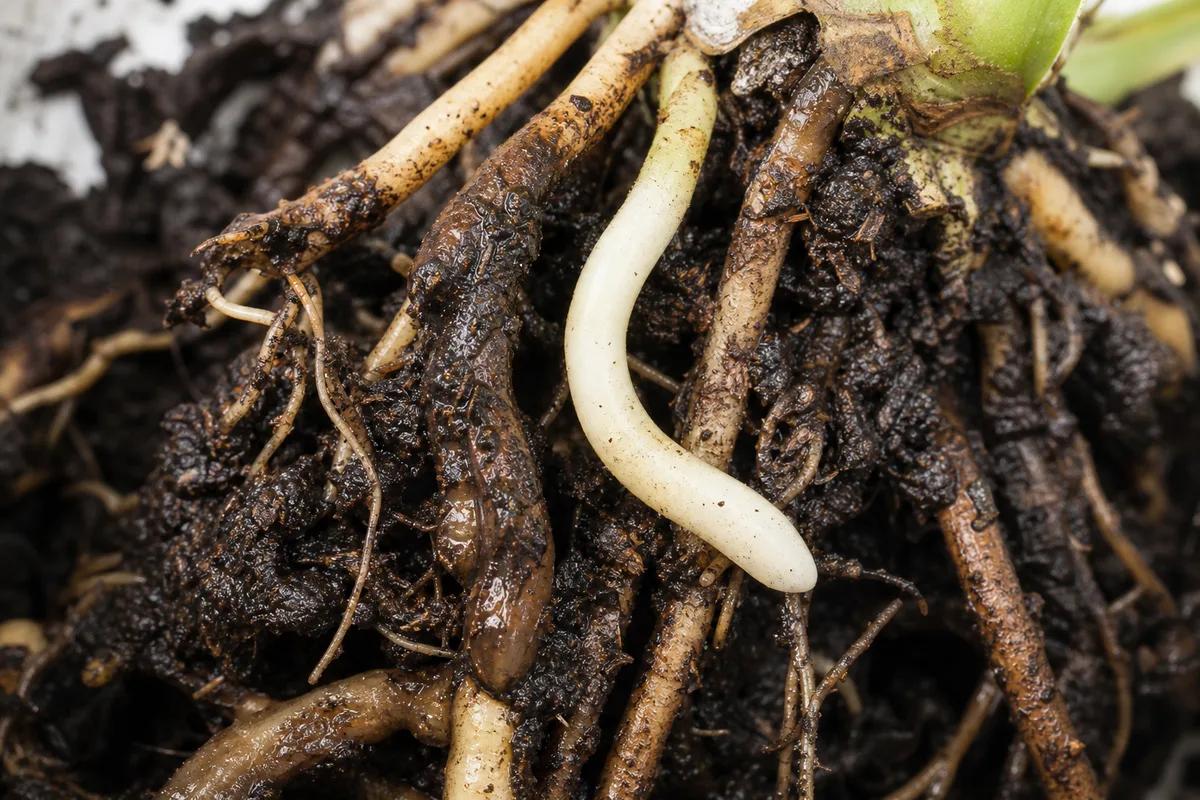
4. Poor Root Anchoring
Some plants fail not because the top growth is the problem, but because they never really establish below the surface. This is especially common where hardscape planting is weak, substrate depth is limited, or moisture swings are inconsistent.
A well-anchored plant becomes part of the enclosure. A poorly anchored plant remains temporary, even if it survives for a while.
5. Humidity Without Structure
Humidity alone is not enough. A vivarium can be damp and still be poor at supporting plant growth if moisture is not held well in the right places.
Plants do best where moisture is layered through the enclosure: substrate, leaf litter, shaded planting zones, mossy patches, and stable rooting areas. If humidity exists mostly in the air while the planting areas fluctuate too sharply, growth often becomes inconsistent or stalled.
What Thriving Plants Actually Look Like
Once you start thinking in terms of thriving rather than surviving, it becomes much easier to read your enclosure properly.
In a strong dart frog vivarium, thriving plants usually show:
- Regular new leaves
- Improved leaf size over time
- Better colour and form
- Confident rooting into the chosen area
- Natural spread across hardscape or substrate
- Visible integration into the enclosure’s structure
Importantly, thriving plants tend to change the feel of a vivarium. The enclosure stops looking like a planted display and starts looking like a small ecosystem. That is a very different result, and it is what most keepers are actually trying to achieve when they build a bioactive dart frog setup.
How Plant Performance Affects Dart Frog Behaviour
This is one of the reasons I think plant discussions deserve far more attention in frog keeping than they usually get.
Well-grown plants create layered cover. That influences how secure frogs feel. A secure dart frog is more likely to use the enclosure naturally, show more confident movement, and benefit from having resting zones, shaded areas, and sheltered pathways built into the planting.
Plants also help shape the enclosure floor and lower-level microclimates. They can reduce harsh openness, interrupt sight lines, and soften transitions between exposed and protected areas. All of that matters in enclosures designed for captive-bred dart frogs, especially where the aim is long-term confidence and natural use of space.
This does not mean every enclosure has to be overgrown to the point of being unusable. It means the planting layer should be functioning, not merely existing.
How to Move a Plant From Surviving to Thriving
If your plants are alive but not performing, the goal is not to throw everything out and start again. It is to identify what is holding the system back.
In most cases, improvement comes from a combination of the following:
Increase Useful Light
Not just a brighter-looking enclosure, but genuinely stronger plant support. Think about where the plant actually sits, not just what the top of the vivarium looks like.
Improve Substrate Quality
A richer, biologically active substrate often makes the difference between static plants and developing ones. In bioactive setups, substrate should support both roots and ecosystem processes.
Support the Nutrient Cycle
Healthy decomposition, springtails, isopods, leaf litter breakdown, and organic movement all contribute to a stronger planting environment.
Use Better Plant Choices
Some plants are simply better suited to humid vivarium life than others. A plant that looks good in a shop may not be the one that actually performs well long term in a dart frog enclosure.
Build for Maturity, Not Day-One Looks
The best enclosures are rarely the ones that look most polished on the first day. They are the ones designed to settle, root, spread, and improve over time.
Choosing Plants With Dart Frogs in Mind
Not every vivarium plant has to be frog-specific, but your planting choices should still make sense for the enclosure you are building.
If your aim is a practical, healthy setup for dart frogs, ask:
- Will this plant actually root and spread here?
- Will it help create cover rather than just occupy visual space?
- Does it suit the humidity, airflow, and light in this vivarium?
- Will it contribute to long-term enclosure maturity?
That is a much more useful approach than choosing entirely on appearance.
And if you are still in the planning stage, it helps to think of plants as part of a wider enclosure strategy alongside substrate, humidity layering, clean-up crew, and species choice. That is especially relevant if you are researching which dart frogs suit a bioactive vivarium and want the enclosure to mature well around them.
Final Thoughts: Stop Judging Plant Success Too Early
If there is one takeaway from all this, it is this: do not let “still alive” fool you.
A plant that survives in your dart frog vivarium is not necessarily a sign that your setup is working well. It may simply mean the plant is tolerant enough to endure conditions that are only just acceptable.
Thriving plants tell a different story. They say the light is working. The substrate is working. The moisture structure is working. The enclosure is beginning to operate like a real, layered, living system.
That is the standard worth aiming for.
And if you are building or refining your enclosure around healthy planting, stable bioactivity, and better long-term outcomes, it is worth also looking at the frogs that will eventually live in that system. You can browse our dart frogs for sale in the UK for species and morphs suited to carefully designed bioactive vivariums.
Frequently Asked Questions
Why are my vivarium plants alive but not growing?
Usually because one or more of the core supports is missing. The most common causes are weak lighting, poor substrate, a limited nutrient cycle, or plants that are only tolerating the conditions rather than thriving in them.
Do thriving plants matter for dart frogs?
Yes. Thriving plants improve cover, moisture buffering, enclosure structure, and the overall maturity of a bioactive setup. They support a better habitat for dart frogs than plants that are simply surviving.
Can a dart frog vivarium be too dim for plants even if it looks bright?
Yes. An enclosure can look bright to the keeper while still not delivering enough usable light at plant level, especially after distance, mesh, glass, and plant layering are taken into account.
What is the difference between surviving and thriving in a vivarium?
A surviving plant stays alive with little progress. A thriving plant roots well, produces new growth regularly, spreads naturally, and contributes to the wider enclosure ecosystem.
Do bioactive setups automatically keep plants healthy?
No. Bioactive systems still need useful lighting, strong substrate, decomposition, and proper ecological balance. Bioactive does not mean self-sustaining by default.
What type of plant growth should I expect in a healthy dart frog vivarium?
You should expect new leaves, improved rooting, natural spread, stronger colour, and a gradual sense that the plant is becoming part of the enclosure rather than merely sitting in it.