

Description
Introduce a splash of vibrant color to your bioactive vivarium with our Dendrobates Tinctorius ‘Cobalt’ juvenile poison dart frogs. These stunning amphibians, known for their brilliant cobalt blue and black patterning, are the perfect addition to any tropical ecosystem setup.
Key Features:
- Age: 6-12 weeks old
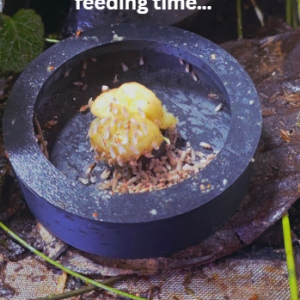
- Diet: Currently eating dusted fruit flies
- Vibrant Coloring: Their striking cobalt blue and black coloration adds a beautiful visual element to your vivarium.
- Health: Raised in optimal conditions, these juveniles are healthy and ready to thrive in their new home.
Ideal for:
- Custom bioactive vivariums
- Tropical ecosystems
- Exotic pet enthusiasts
Care Instructions:
- Habitat: Requires a well-planted, humid environment typical of tropical rainforests.
- Diet: Feed dusted fruit flies and other small insects regularly.
- Temperature and Humidity: Use species-appropriate temperatures and provide humid refuges with useful ventilation rather than a universal 22–27°C / 70–100% RH formula.
Why Choose Our Dart Frogs?
Our Dendrobates Tinctorius ‘Cobalt’ dart frogs are bred and raised with the utmost care, ensuring they are healthy and vibrant. These juveniles are acclimated to bioactive vivarium conditions, making them an excellent choice for your setup.
Product Variations:
- Single Juvenile Dart Frog
Experience the Frog Father difference today.
This product is a live amphibian and is available for UK legal purchase and delivery only. In accordance with Google Shopping policies, we do not advertise or promote live animals via paid ads. Listings are visible only through Frogfather.co.uk.Live-animal courier delivery is temporarily paused. Please check the current Live Animal Policy / FAQ before ordering for the latest collection and future delivery options. By purchasing, you confirm you are 18+ and that keeping this species is legal in your location.
Learn more in our Live Animal Policy.
Dendrobates tinctorius social note: both male–male and female–female aggression are documented in wild D. tinctorius, including prolonged physical combat. Frogfather therefore does not present trio or group housing as a default recommendation for this species. Pairs are a practical starting arrangement for many captive situations, but even pairs require observation and individual animals may need separation.
Social Housing & Behaviour Review
Last reviewed: 5 September 2026
Poison-frog social systems differ substantially between species and can also change with sex, maturity, breeding condition, enclosure structure and individual temperament. A group that appears stable as juveniles may not remain compatible after sexual maturity.
Do not treat “pair”, “trio” or “group” as a universal stocking rule. Provide visual barriers, multiple feeding and refuge areas, monitor body condition and behaviour, and have a separate suitable enclosure available if persistent chasing, wrestling, exclusion from food or shelter, weight loss or other signs of incompatibility develop.
Evidence & further reading
- Rojas & Pašukonis (2019) – natural history and aggressive behaviour in Dendrobates tinctorius
- St Claire et al. – husbandry and care of dendrobatid frogs