
Husbandry & Evidence Review – 6 September 2026
The earlier article over-stated the substrate microbiome as an ‘engine’ that stabilises pH, prevents disease and matures on a fixed timetable. Those claims are now qualified.
A healthy substrate isn’t just dirt — it’s alive. A thriving microbiome is the engine of every successful bioactive vivarium, contributing to decomposition and nutrient cycling; this article does not claim that a vivarium substrate microbiome provides proven disease resistance. In this guide, we explore how to understand, seed, and maintain a beneficial microbe community in your frog enclosure.
What is the Substrate Microbiome?
The substrate microbiome refers to the vast array of microscopic organisms living in the soil layer of a vivarium:
- Bacteria – break down organic waste and convert nutrients
- Fungi – decompose tougher materials like leaf litter and wood
- Protozoa – feed on bacteria, controlling populations
- Nematodes – break down matter and transport microbes
These invisible workers turn waste into nutrition for plants and keep toxic compounds like ammonia in check — key for sensitive species like dart frogs.
Why the Microbiome Matters for Frogs
A thriving microbial ecosystem benefits frogs by:
- Breaking down faeces and dead prey
- Supporting healthy plant growth (oxygen and shelter)
- Preventing overgrowth of harmful bacteria or fungi
- Acting as the base of the food web for springtails and isopods
- Stabilising pH, aeration, and moisture
In short: the healthier your substrate microbiome, the more self-cleaning and stable your tank becomes.
Best Substrate Mix for Microbial Life
Start with a proven, breathable substrate base like an ABG Mix:
- Orchid bark (aeration)
- Sphagnum moss (moisture retention)
- Charcoal (absorbs toxins)
- Leaf litter (food source)
Get a pre-prepped mix from our Complete Bioactive Vivarium Kits, which include drainage layers, mesh, substrate and setup guide.
Seeding the Microbiome
- Springtails – Add with charcoal or clay; we recommend collecting them easily with our 3D Printed Springtail Collection Riser.
- Isopods – Choose frog-safe species like Dwarf White or Dairy Cow; avoid Porcellio laevis with frogs.
- Leaf Litter – Use clean, pesticide-free oak or magnolia leaves such as our 10L Dried Oak Leaves.
- Mycorrhizal fungi – Optional but beneficial; found in forest soils or added via specialist inoculants.
Microbe-Friendly Conditions
- Moisture: keep conditions appropriate to the plants, microfauna and frogs rather than targeting a universal 70–100% RH range
- Temperature: 21–26 °C
- pH: no single 6.2–6.8 target is established as ideal for every bioactive dart-frog substrate; avoid extreme or rapidly changing conditions and match the planting/substrate system
- Airflow: Gentle circulation encourages fungal balance
- Moisture: Keep substrate moist but not soggy
Use a misting system or spray bottle, and check moisture manually by pinching substrate.
What to Avoid
- Over-cleaning or replacing substrate too often
- Using substrate with fertilisers or perlite
- Insecticides, soaps, or bleach
- Baking substrate before use (kills all microbes)
- Adding frogs before the microfauna establish
Let new tanks run for 2–4 weeks before introducing frogs.
How to Tell if Your Microbiome is Thriving
Look for:
- Active springtails and isopods near the surface
- Leaf litter decomposing naturally
- Absence of mould or bad smells
- Stable humidity without anaerobic (rotten) zones
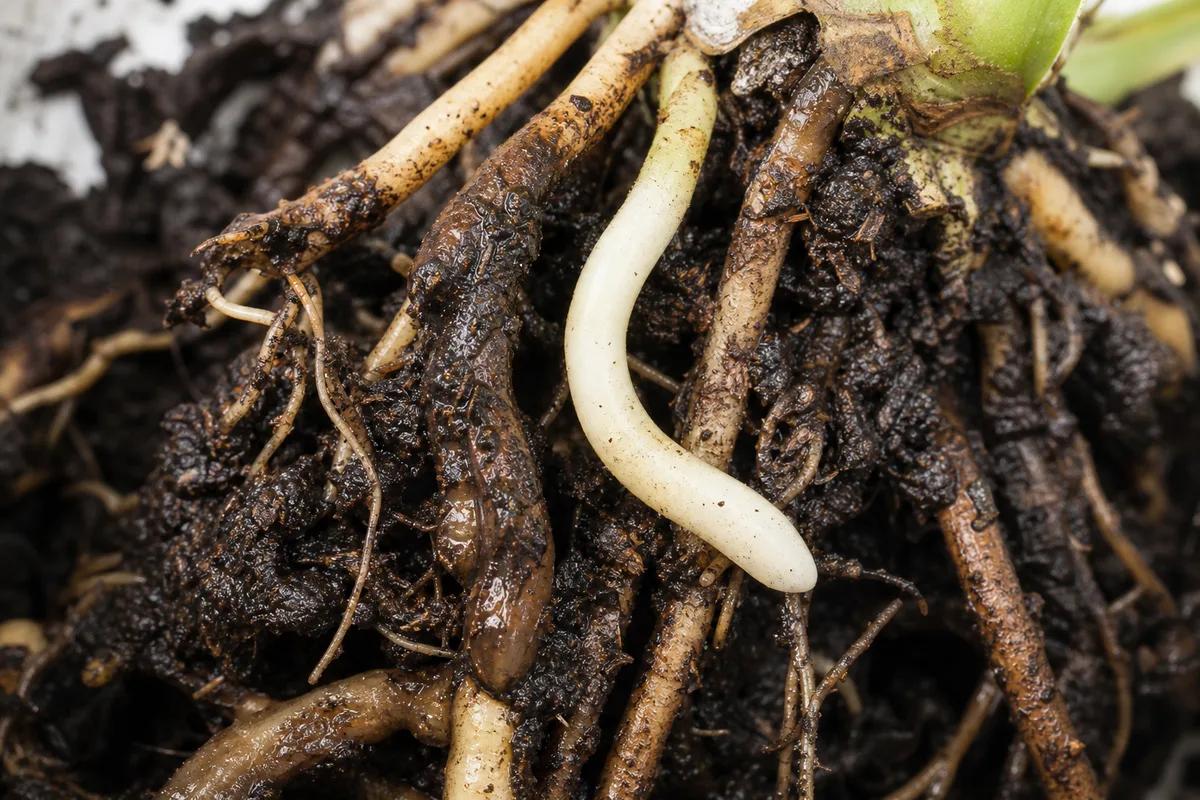
- Healthy plant roots, mosses, and worms
Boosting Microbial Diversity
- Mix substrate from multiple tanks (if disease-free)
- Add uncooked rice grains under leaf litter to feed microbes
- Use Bioactive Leaf Packs to jumpstart the fungal and bacterial growth
Conclusion
A stable vivarium starts from the ground up. By investing in a robust substrate mix and fostering a thriving microbiome, you reduce cleaning, improve plant growth, and create a safer, more natural world for your dart frogs to thrive in. Think of your substrate not as dirt, but as a living, breathing ecosystem.
FAQs
Q: Do I need to clean my bioactive substrate?
A: No fixed substrate-replacement schedule is required, but bioactive does not remove maintenance. Spot-remove uneaten food, dead animals and problem material, and replace/rebuild substrate if it becomes waterlogged, contaminated or structurally degraded.
Q: Can I sterilise my substrate and re-seed it?
A: Not recommended unless you’re starting over. Sterilising resets the ecosystem and removes helpful microbes.
Q: How long does it take for the microbiome to mature?
A: There is no universal 2–4 week microbiome ‘maturity’ endpoint. Run and observe the enclosure until drainage, moisture, plants, temperature, ventilation and equipment are demonstrably stable.
Q: What’s the best isopod species for frogs?
A: Trichorhina tomentosa (Dwarf White) — small, soft-bodied, non-invasive.
Featured Image
- Filename: bioactive-substrate-microbiome-vivarium.jpg
- Alt text: Close-up of healthy vivarium substrate showing leaf litter, springtails, moss, and isopods
- Description: A rich, living substrate microbiome breaks down waste, supports plant life, and keeps dart frog enclosures naturally clean.