
Husbandry & Evidence Review – 5 September 2026
This symptom guide remains current: sitting in water is a behaviour, not a diagnosis. Persistent/new soaking should trigger checks of temperature, moisture, ventilation, water quality, social pressure, appetite and body condition rather than assumptions about parasites, detoxing or dehydration.
Written by The Frogfather | UK dart frog keeper, breeder and bioactive vivarium specialist | Last reviewed: 27 August 2026
A dart frog sitting in a water dish can generate completely opposite advice. One keeper will call it normal soaking; another will say it proves parasites, poisoning or imminent illness. Neither conclusion can be made from the behaviour alone.
A brief visit to very shallow water may be ordinary hydration, exploration, cooling or use of a convenient microclimate. Repeated or prolonged soaking is more useful as a prompt to investigate. It may indicate that the surrounding vivarium is too dry or warm, that suitable damp surfaces are missing, that social pressure is restricting the frog’s choices, or that the frog is unwell.
The correct question is not simply, “Is soaking good or bad?” It is, “Why is this frog choosing this particular place, and what else has changed?”
How do dart frogs absorb water?
Dart frogs do not usually drink by lapping water like a mammal. Like other anuran amphibians, they can take up water across specialised, highly permeable areas of ventral skin. This region is often called the pelvic patch, seat patch or drinking patch.
Research on anuran water balance has identified aquaporin water-channel proteins and hormonally controlled changes in water permeability in the ventral pelvic skin. The practical husbandry point is simple: contact with an appropriate moist surface can support water uptake.
That surface does not need to be a bowl. Damp leaf litter, wet plant surfaces and humid sheltered pockets may all contribute to normal hydration. The Frogfather guide explaining how dart frogs absorb water through their skin covers this biology in more detail.
Does sitting in water mean the frog is dehydrated?
Not necessarily. Dehydration can promote water-seeking and water-absorption behaviour in amphibians, but seeing a frog in a dish does not establish its hydration status. An alert frog may briefly use shallow water even when the enclosure is suitable.
The behaviour becomes more informative when it is repeated, prolonged or accompanied by environmental evidence such as rapidly drying surfaces, excessive ventilation, unusual heat or failed misting equipment.
When may a dart frog sitting in water be normal?
Short, occasional use of shallow water may occur without illness. Possible ordinary explanations include:
- Rehydration: the frog is using a wet surface as one of several available moisture sources.
- Exploration: the dish or pool is simply part of its enclosure.
- Cooling: water may be locally cooler than exposed surfaces, although repeated use should prompt a temperature check.
- After disturbance: misting, maintenance or movement may temporarily change where the frog settles.
- Breeding-related investigation: frogs may inspect water-holding sites, particularly where tadpole deposition is relevant.
- Individual preference: some healthy individuals use a shallow area more readily than others.
A reassuring pattern is brief and voluntary. The frog enters and leaves easily, remains alert, moves normally, responds to food and maintains body condition. The water is clean, genuinely shallow and not the only suitably moist part of the enclosure.
Look at posture, not just location
A frog sitting upright and alert at the edge of a shallow dish is different from one lying flat, struggling to keep its head clear, floating abnormally or failing to leave when disturbed. Location is one observation; posture and ability provide the welfare context.
Environmental reasons a dart frog may keep soaking
The rest of the vivarium is too dry
If the water dish is the only reliably wet surface, the frog may use it because the enclosure lacks suitable damp microclimates. A high humidity reading does not rule this out. The sensor may sit in a humid upper zone while leaf litter at frog level dries rapidly.
Check moisture beneath leaves, behind planting and in shaded ground-level retreats. Read the guide to dart frog humidity and microclimates before simply increasing misting. Humid does not mean waterlogged.
The enclosure is too warm
Lights, pumps, nearby equipment and warm weather can create local heat. A frog may choose water or a wet surface because it is cooler. Measure temperature where the frog lives and across the day rather than relying on the room temperature.
When unusual soaking coincides with rising temperature, reduced appetite, abnormal posture or increased respiratory effort, consult the dart frog heat-stress warning-sign guide promptly.
Misting or drainage has changed
A blocked nozzle, empty reservoir, altered timer or stronger ventilation can dry an enclosure. Conversely, failed drainage may create unpleasant saturated substrate and leave a clean dish as the frog’s most usable surface. Check the whole water cycle: input, distribution, evaporation and removal.
The vivarium substrate and drainage guide explains why a reservoir is only useful when its level can be inspected and managed.
Social pressure is limiting the frog
A subordinate frog may be excluded from preferred cover, feeding areas or humid retreats. If only one animal spends time in the dish, watch the group carefully during feeding and movement. Chasing, pinning or displacement may be obvious, but persistent blocking and avoidance can be subtle.
The water itself is attracting prey
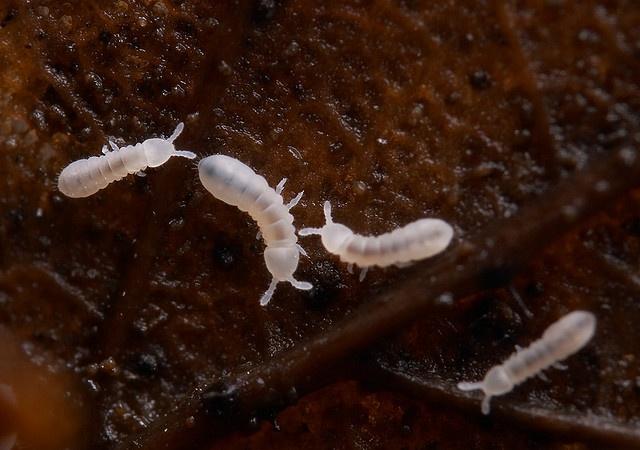
Fruit flies and springtails may gather near wet edges. A frog sitting beside or partly within a dish may be hunting rather than soaking. Watch where it is looking and whether it strikes at prey before interpreting the behaviour as hydration.
Does soaking mean a dart frog is flushing toxins or parasites?
No. A frog sitting in water does not demonstrate that it is flushing toxins, expelling parasites or treating itself. These explanations circulate in keeper forums, but they cannot be diagnosed from soaking behaviour.
Amphibian skin is permeable, which makes casual home treatments particularly risky. Do not add electrolyte drinks, salt, medication, disinfectant, vitamins or other substances to a water dish because somebody online described a “detox soak”. A solution that is harmless to drink can still be unsuitable across amphibian skin.
If parasitism or systemic illness is suspected, use observable evidence and veterinary testing. The guide to quarantining dart frogs properly explains how controlled observation and biosecurity support investigation without pretending that one behaviour identifies a parasite.
Should you give a dehydrated frog a forced soak?
Do not improvise prolonged soaking or a homemade fluid solution. A weak frog can drown in very little water, and dehydration may be part of a wider problem requiring diagnosis. Contact an amphibian-experienced veterinary practice for case-specific fluid and supportive-care instructions.
Normal soaking versus a warning sign
| More reassuring | More concerning |
|---|---|
| Brief, occasional visit | New, repeated or prolonged soaking |
| Frog enters and exits easily | Difficulty leaving, abnormal floating or poor coordination |
| Alert posture and normal response | Flat posture, weakness, collapse or poor righting response |
| Strong feeding response | Ignoring food or progressive appetite loss |
| Stable body condition | Weight loss, prominent pelvic bones or swelling |
| Normal skin and shedding | Skin lesions, persistent abnormal shedding, redness or discolouration |
| Suitable temperature and several moist retreats | Heat spike, dry surfaces, failed mister or only one usable wet area |
Use the complete dart frog behaviour warning-sign guide to assess soaking alongside movement, posture, feeding and changes in routine.
What should you check when a dart frog keeps sitting in water?
- Record the pattern. Note which frog, time of day, duration, posture and whether it leaves to feed.
- Measure temperature properly. Check frog level, the water area and warmer enclosure zones at several times.
- Inspect moisture gradients. Feel and observe beneath leaf litter and in shaded retreats without turning the enclosure into a swamp.
- Check equipment. Confirm mister output, reservoir level, ventilation changes, drainage level, fans and lighting.
- Assess water quality and cleanliness. Remove contaminated water, dead feeders, droppings and decaying material.
- Watch the group. Determine whether another frog restricts access to food or humid cover.
- Assess the individual. Look at appetite, posture, skin, breathing, coordination and body condition.
- Preserve evidence. Take a short video and comparison photographs; these may help a veterinary practice interpret a changing behaviour.
If condition is uncertain, the guide to weighing and monitoring dart frogs safely explains how to create a useful trend without repeatedly chasing the frog.
Should you remove the water dish?
Do not remove the frog’s only comfortable moisture source before correcting the wider enclosure. However, an unsafe dish should be replaced immediately with a genuinely shallow, easy-exit alternative while the cause of soaking is investigated.
If the frog stops soaking after environmental correction and remains well, that pattern supports a husbandry explanation. It still does not retrospectively prove dehydration, heat stress or any specific disease.
How to make a dart frog water dish or pool safer
Dart frogs do not require a conventional deep drinking bowl. If you provide standing water, design it around easy escape and straightforward hygiene.
- Keep it very shallow and proportionate to the frogs.
- Provide gently sloping edges or several textured exit points.
- Avoid sheer, slippery sides and deep central wells.
- Position wood, leaves or stable textured material so a weak frog can climb out.
- Prevent access behind or beneath the dish.
- Do not sacrifice most of the usable floor area to open water.
- Change contaminated water and clean the dish with an amphibian-safe routine.
- Consider the risk of frogs wrestling or pinning one another near water.
Frogs can move through water, but that does not make every pool safe. Small size, exhaustion, illness, social conflict and poor exits change the risk. The dedicated guide to dart frog drowning and shallow-water hazards explains this in detail.
What water should you use?
Use water appropriate for amphibian contact and the established husbandry system. Avoid untreated chlorinated water and do not assume that every bottled, distilled or purified product has suitable mineral and chemical characteristics for prolonged direct contact.
Water choice is not solved by one universal brand recommendation because source-water chemistry and treatment systems vary. If a frog is soaking persistently, changing products at random is less useful than reviewing the enclosure and seeking professional advice where health is affected.
When should a soaking dart frog see a vet?
Contact an amphibian-experienced veterinary practice when repeated soaking occurs alongside:
- poor appetite or refusal of food;
- documented weight or body-condition loss;
- weakness, wobbling or inability to right;
- laboured breathing or marked change in respiratory effort;
- abnormal shedding, skin lesions, redness or discolouration;
- swelling, fluid accumulation, prolapse or bleeding;
- abnormal droppings that persist; or
- similar changes affecting several frogs.
Do not wait for a perfect diagnosis from photographs. The Frogfather dart frog health guide explains the wider warning signs and why home medication without diagnosis can make matters worse.
Evidence behind this guidance
The central distinction in this article is evidence-based: amphibians can absorb water across specialised ventral skin and dehydration can produce water-seeking or water-absorption behaviour, but soaking alone is not specific enough to diagnose dehydration, toxins, parasites or disease.
- Ogushi and colleagues: aquaporins and water permeability in anuran ventral pelvic skin.
- Taylor and colleagues: dehydration-induced water-absorption behaviour in an amphibian model.
- Merck Veterinary Manual: clinical observation and examination of amphibians.
These sources support amphibian physiology and clinical assessment; they do not establish a species-wide diagnostic rule for captive dart frogs. That limitation is why the article emphasises pattern, context and veterinary examination.
Frequently asked questions
Is it normal for a dart frog to sit in water?
A brief, occasional visit to very shallow water can be normal when the frog remains alert, feeds and exits easily. New, repeated or prolonged soaking should prompt checks of the environment and the frog’s overall condition.
Does soaking mean my dart frog is dehydrated?
Not by itself. Dehydration can encourage water-seeking behaviour in amphibians, but soaking alone cannot confirm it. Check temperature, surface moisture, humidity gradients, equipment, appetite and body condition.
Do dart frogs drink from water bowls?
Dart frogs generally obtain water across permeable areas of their ventral skin rather than drinking like mammals. They can absorb moisture from suitable damp surfaces, so a conventional deep drinking bowl is unnecessary.
Is a dart frog soaking to flush toxins or parasites?
Soaking does not prove that a frog is flushing toxins or treating parasites. Do not add medicines, electrolyte drinks, salt or disinfectants to the water without case-specific veterinary direction.
Should I remove the water dish if my frog keeps sitting in it?
Replace an unsafe dish immediately, but do not remove the frog’s only comfortable moisture source before correcting the wider enclosure. Provide a very shallow, easy-exit alternative while investigating temperature, moisture and health.
Can dart frogs drown in a water dish?
Yes. A dish can become dangerous when it is too deep, slippery or difficult to exit, particularly for a weak frog or during social conflict. Keep water very shallow and provide several textured escape routes.
Can heat make a dart frog sit in water?
Yes, water may provide a cooler local surface, but the behaviour does not measure temperature for you. Check the enclosure at frog level and act promptly if soaking accompanies reduced feeding, weakness or abnormal breathing.
When is soaking a veterinary concern?
Seek amphibian-experienced veterinary advice when persistent soaking occurs with poor appetite, weight loss, weakness, abnormal posture or skin, swelling, laboured breathing, poor coordination or rapid deterioration.