
Few things cause panic faster than seeing white, fluffy mould spreading across your brand-new bioactive vivarium.
The instinct is immediate:
“Something is wrong.”
But here’s the truth most beginners don’t hear:
Mould is not automatically a problem.
In fact, in many cases, it’s a sign your ecosystem is doing exactly what it should.
Why Mould Appears in New Vivariums
When you build a bioactive enclosure, you introduce:
- Moist substrate
- Leaf litter
- Wood and cork
- Organic material
- High humidity
Those are perfect fungal conditions.
In the wild, rainforest soil constantly cycles through fungal blooms. It’s part of ecological succession.
When a vivarium is newly built, fungal spores already present in the air and materials begin colonising fresh organic matter.
This stage is completely natural.
What Mould Is Actually Doing
Mould is a decomposer.
It breaks down:
- Dead plant matter
- Leaf litter
- Wood fibres
- Organic waste
It converts complex organic material into simpler compounds that microbes and invertebrates can process further.
In other words — mould is part of nutrient cycling.
Why Springtails Are So Important
This is where balance comes in.
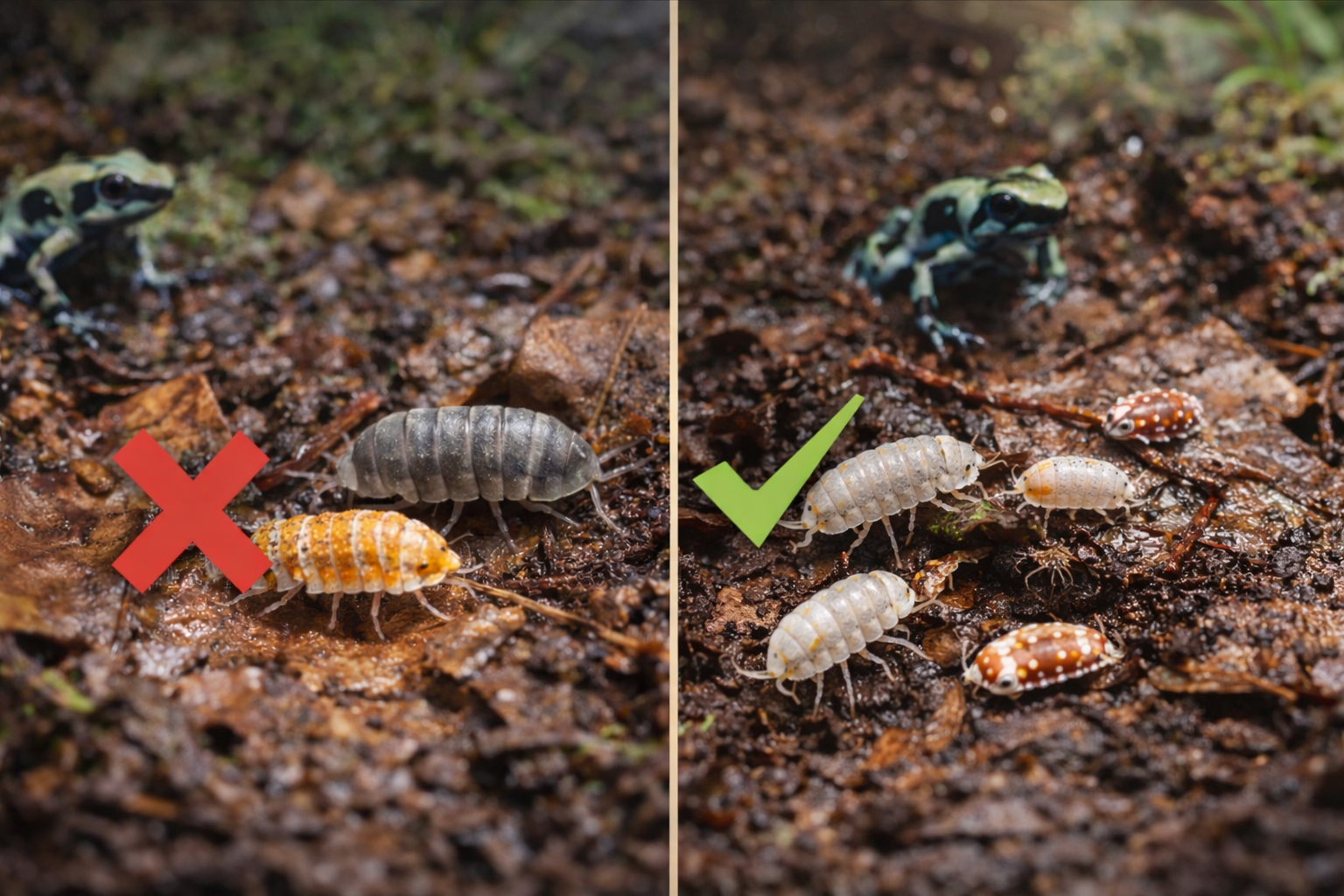
Springtails actively consume fungal hyphae and spores. They are the primary regulators of mould blooms in bioactive systems.
If your springtail population is strong, mould rarely becomes excessive.
If populations are weak or absent, mould can dominate temporarily.
Supporting density — particularly in new builds — is critical. A consistent micro-food source such as Springtail Supermix helps maintain stable populations in both cultures and active vivariums.
When Mould Is Normal
- In the first 2–6 weeks of a new setup
- On fresh cork bark
- On new leaf litter
- After adding fresh organic material
These are part of the ecosystem stabilising itself.
When Mould Becomes a Problem
Mould becomes concerning when:
- It smells strongly sour or rotten
- It spreads continuously without decline
- Substrate is waterlogged
- Springtails are absent
- Ventilation is poor
At this point, it’s not the mould itself — it’s the imbalance behind it.
The Role of Isopods
Isopods do not directly regulate mould at the microscopic level the way springtails do.
However, they contribute indirectly by:
- Breaking down leaf litter faster
- Reducing bulk organic accumulation
- Improving substrate turnover
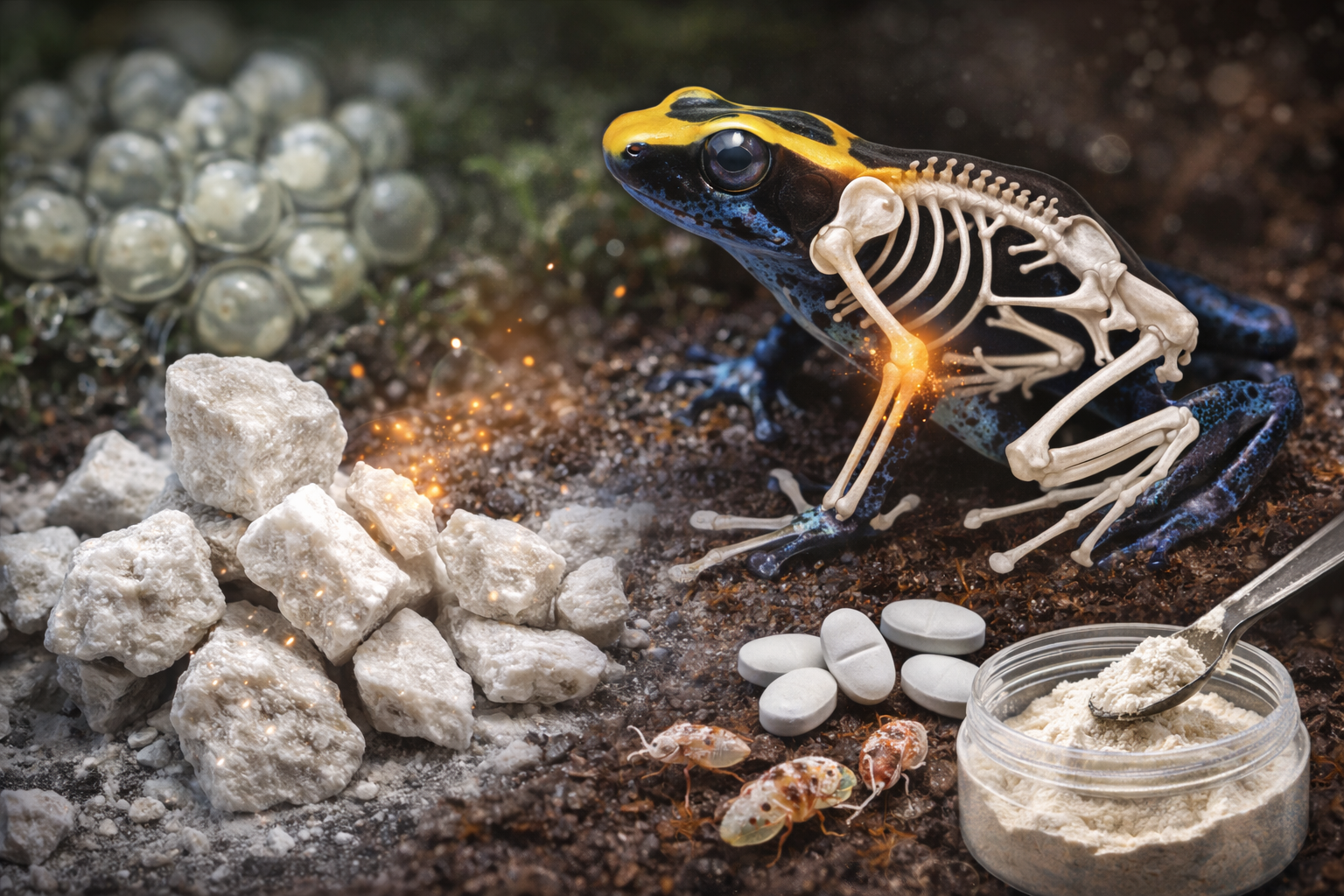
Healthy breeding isopod populations supported by balanced nutrition such as Isopod Repro – High Calcium Breeding Formula can improve long-term substrate stability.
Why Sterile Thinking Doesn’t Work
Many keepers instinctively want a “clean”, sterile vivarium.
But bioactive systems are not sterile.
They are living, microbial ecosystems.
Attempting to eliminate all mould often destabilises the system further.
Balance, not sterility, is the goal.
How to Manage Mould Without Overreacting
1. Increase Springtail Density
Boost populations before reaching for intervention.
2. Improve Airflow
Ensure ventilation panels are not blocked.
3. Adjust Moisture
Allow slight surface drying between mist cycles.
4. Avoid Overfeeding
Excess organic supplementation can fuel fungal overgrowth.
What About Black Mould?
Black mould inside vivariums is rare in healthy systems.
If you observe dark, slimy growth with strong odour, investigate immediately.
This often indicates anaerobic conditions rather than typical fungal succession.
FAQ
Is white mould in a new vivarium normal?
Yes. It is part of ecological succession and typically stabilises as microfauna populations establish.
Can mould harm dart frogs?
In balanced systems, common white mould is not typically harmful. Persistent imbalance, however, should be corrected.
Do springtails eat mould?
Yes. They consume fungal hyphae and spores, helping regulate growth.
Should I remove mould manually?
Spot removal is fine, but focus on correcting underlying imbalance.
Why does mould keep returning?
Usually due to weak springtail populations, excess moisture, or overfeeding.
Final Thoughts
Mould is not the enemy.
Imbalance is.
When your substrate has structure, airflow is adequate, and microfauna populations are strong, mould becomes just another part of a functioning ecosystem.
Bioactive systems are living systems.
Trust balance — and build it correctly.
Kind regards,
Tony
Frogfather.co.uk