Description
Mourning Geckos – Lepidodactylus lugubris
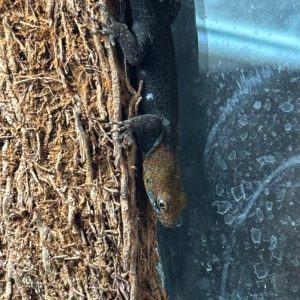
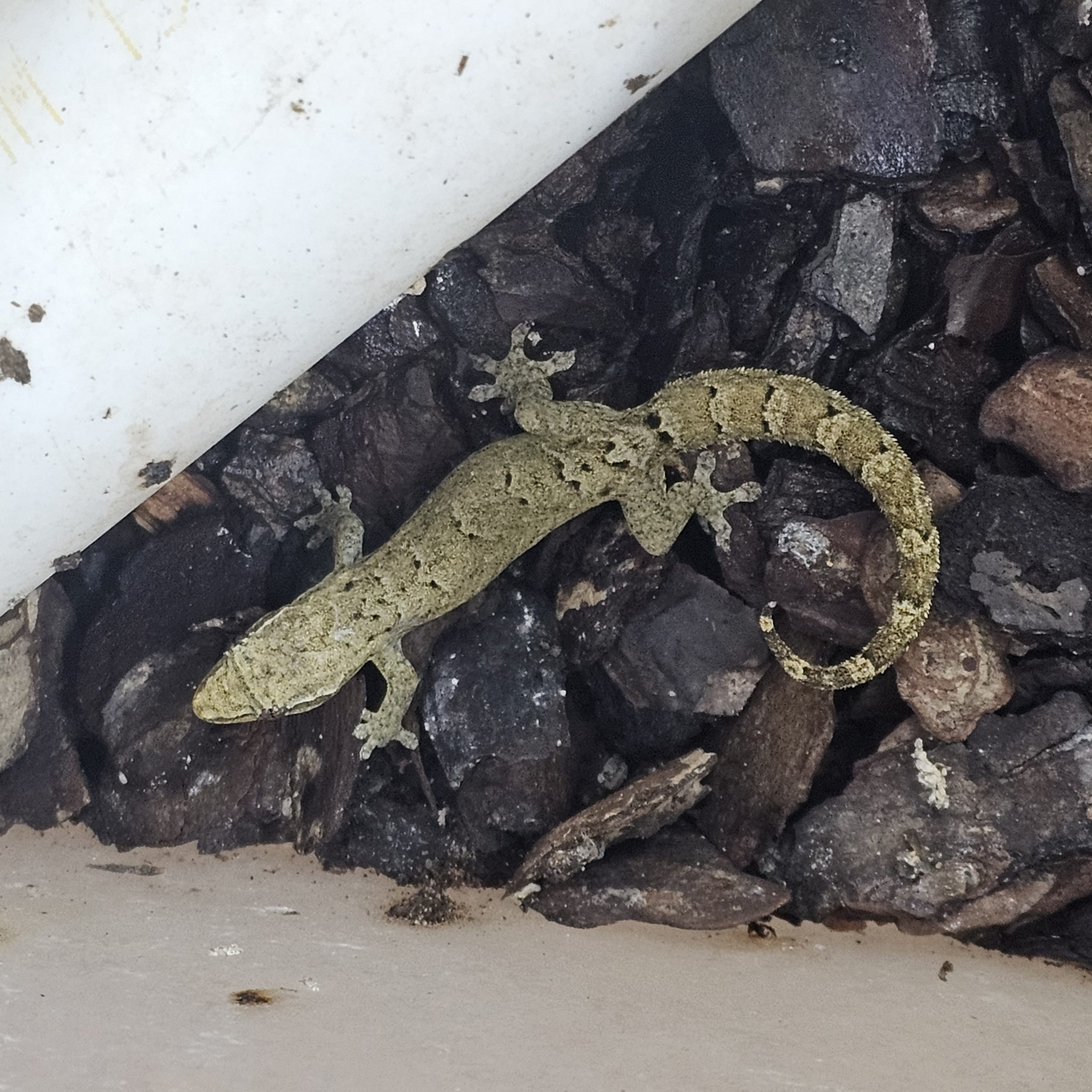
Mourning geckos are small, active tropical geckos best known for predominantly parthenogenetic reproduction. They can be fascinating animals in their own right and are well suited to secure, vertically structured tropical enclosures.
Reproduction
Most captive mourning-gecko populations are overwhelmingly female and reproduce parthenogenetically. However, the earlier claim that “there is no such thing as a male mourning gecko” was incorrect. Rare phenotypic males have been documented scientifically, including in parthenogenetic lineages.
Parthenogenesis also does not mean that every offspring is literally a genetically identical “clone” in every biological sense or that colony growth is unlimited. Reproductive output varies with lineage, age, nutrition and husbandry.
Housing
- Provide a secure escape-proof enclosure with vertical structure, bark, planting and narrow retreats.
- Offer an appropriate thermal and moisture range rather than copying a generic dart-frog humidity target.
- Feed appropriately sized live insects and, where appropriate, a suitable gecko diet according to established husbandry.
- Monitor reproduction so the enclosure does not become overcrowded.
Important mixed-species correction
We previously marketed mourning geckos as “perfect” companions for dart frogs, “completely compatible” with them and as a clean-up crew. We no longer make those claims.
Mourning geckos are predators of small invertebrates and can compete with frogs for food. Eggs and very small juveniles can also create additional interactions that are difficult to predict. Mixed-species housing can complicate feeding, quarantine, disease control and environmental management. Frogfather therefore recommends keeping mourning geckos in a species-appropriate enclosure unless an experienced keeper has a specific, carefully assessed reason to do otherwise.
Not a clean-up crew
Eating escaped fruit flies does not make a gecko a decomposer or waste-processing “clean-up crew”. Springtails and isopods fill a different ecological role.
Reproduction & Husbandry Review
Last reviewed: 5 September 2026
Lepidodactylus lugubris is predominantly parthenogenetic, but rare males are documented. Frogfather has corrected the earlier all-female and automatic dart-frog-cohabitation claims.
Evidence & further reading
- Röll & von Düring (2008) – sexual characteristics and spermatogenesis in male L. lugubris
- Karyotype study documenting mostly all-female populations with rare males