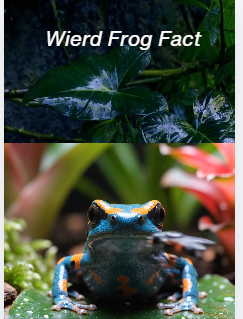

Dart frogs are full of strange and brilliant little adaptations, and one of the most fascinating is the way they stay hydrated. Many new keepers assume frogs drink from bowls in the same way a reptile, dog, or bird might. In reality, dart frogs do not usually drink water in that way at all.
Instead, dart frogs absorb water through specialised areas of their skin. In simple terms, they take in moisture directly from damp surfaces and humid environments rather than lapping at standing water. This is one of the reasons why dart frog husbandry is so different from keeping many other exotic pets.
If you understand how dart frogs hydrate themselves, it becomes much easier to build a suitable vivarium, manage humidity properly, and avoid one of the biggest beginner mistakes: providing the wrong sort of water setup.
Do dart frogs drink water?
Not in the way most people imagine. Dart frogs do not usually lean down and sip from a water bowl like a mammal or reptile. Instead, they absorb water through their skin, particularly through a specialised area on the underside of the body often referred to as the drinking patch or pelvic patch.
This patch allows water to move into the frog’s body from damp surfaces. When a dart frog sits on moist leaf litter, moss, substrate, or another humid surface, it can take in water directly. This process is driven by osmosis and by the specialised permeability of amphibian skin.
That is why hydration for dart frogs is much more about humidity, access to damp microclimates, misting, and appropriate surfaces than it is about deep or open water.
What is osmosis in simple terms?
Osmosis is the movement of water across a membrane from one area to another. You do not need to get too technical to understand the practical side of it. For a dart frog keeper, the important point is this: frogs can take up moisture through their skin when the surrounding conditions are right.
Because amphibian skin is delicate and permeable, it plays a huge role in hydration. That is one reason dart frogs are so tied to humid environments in the wild. They are not designed for dry air, low humidity, or long exposure to harsh, dehydrating conditions.
In captivity, this means your setup needs to work with the frog’s biology rather than against it.
Why does this matter in a dart frog vivarium?
Because once you understand that dart frogs absorb water through their skin, several common care principles suddenly make far more sense.
- High humidity becomes essential rather than optional
- Moist leaf litter and substrate are important for hydration
- Dense planting helps create stable humid zones
- Regular misting supports hydration and natural behaviour
- Deep standing water is far less important than many beginners think
This is also why a well-established bioactive setup tends to work so well for dart frogs. A planted vivarium with leaf litter, moss, wood, and microfauna creates the sort of humid, layered environment where frogs can move between damp resting places and regulate themselves more naturally.
Do dart frogs need a water bowl?
In most cases, dart frogs do not need a traditional water bowl in the way many other animals do. What they do need is reliable access to moisture through the environment itself.
A shallow water area can sometimes be used in a carefully designed setup, but it should not be treated as the main hydration method. In fact, overly deep water features are one of the more common mistakes seen in beginner dart frog enclosures.
Dart frogs are not strong swimmers in the way people often assume. Some species can struggle in standing water, and small frogs can drown in surprisingly little depth if the design is poor. Hydration comes from moisture and humidity, not from expecting the frog to walk over to a bowl and drink.
Why humidity matters more than many beginners realise
When people first get into dart frogs, they often focus on the frogs themselves, the plants, or the look of the vivarium. Those things matter, but humidity is one of the core foundations of good husbandry.
If the air is too dry, the vivarium dries out, surfaces lose moisture, and the frogs can struggle to stay properly hydrated. If the enclosure is well designed, humidity is supported by:
- A suitable vivarium with good moisture retention
- Live tropical plants
- A drainage layer where appropriate
- Leaf litter and moisture-holding substrate
- Regular misting
- Balanced ventilation rather than excessive drying airflow
This balance matters because dart frogs need humidity, but they also need fresh air and a stable environment. Good dart frog care is rarely about extremes. It is about creating the right microclimate.
How do dart frogs hydrate in the wild?
In the wild, dart frogs live in humid tropical environments where moisture is all around them. They spend time on damp forest floors, among leaf litter, around moss, and near humid plant growth. They are constantly interacting with moist surfaces and microhabitats that support hydration.
That is why naturalistic vivariums work so well when they are done properly. A good bioactive setup is not just attractive; it reflects the conditions these animals evolved to use.
Rather than thinking “Where does the frog drink from?”, it is more useful to think, “Does this enclosure allow the frog to stay hydrated the way it naturally would?”
What does this mean for your daily care routine?
It means you should think about hydration as part of the whole system.
For example, a dart frog keeper should pay attention to:
- Whether the leaf litter is staying suitably damp
- Whether the enclosure is drying out between mists too quickly
- Whether plants are helping maintain humidity
- Whether the frogs are using sheltered, moist areas
- Whether the overall setup feels stable rather than swinging between soaking wet and bone dry
Hydration is also linked to feeding and general health. A properly hydrated frog is more likely to behave normally, hunt confidently, and thrive in the enclosure you have built.
Why the wrong setup can cause problems
One of the biggest issues in dart frog care is applying the wrong husbandry model. A keeper may assume that because many animals need a bowl of water, dart frogs must need the same thing. But dart frogs are amphibians with very different biology.
If a setup is too dry, too open, or built around a large water feature instead of a humid forest-floor environment, it may look impressive while still being less suitable for the frog. This is one reason education matters so much in the hobby. When you understand the biology, the care decisions become more logical.
Hydration and supplementation still go hand in hand
Although hydration is mainly about moisture and skin absorption, overall dart frog health still depends on correct feeding and supplementation. Small, well-fed frogs in a stable humid environment are far more likely to thrive than frogs kept in poor conditions and fed inconsistently.
Live food should be appropriately sized, fed sensibly, and dusted properly. Many keepers use a balanced supplement as part of their routine, such as All-in-1 Vitamin & Mineral Dust, to support a more complete feeding regime.
Likewise, practical feeding tools can help ensure food is delivered in a cleaner, more controlled way. If you feed fruit flies regularly, something like the Clip-On Fruit Fly Feeder Lid / Holiday Feeder / Dusting Tap Out can make daily feeding more efficient and reduce mess.
So what is the practical takeaway?
The simple answer is this: dart frogs do not need you to think like a fish keeper or a reptile keeper. They need you to think like a rainforest keeper.
Your job is to provide:
- Humidity
- Moist surfaces
- Leaf litter and cover
- Dense planting
- A stable tropical environment
- Correct feeding and supplementation
When those things are in place, you are supporting the frog’s natural way of staying hydrated rather than relying on unsuitable assumptions.
A fascinating fact that makes you a better frog keeper
“Dart frogs drink through their skin” sounds like one of those odd facts people throw around online, but the truth behind it is genuinely useful. It explains why humidity matters so much, why forest-floor style setups work so well, and why water bowls are not the centre of dart frog care.
It is also one of those facts that makes dart frogs even more interesting to keep. Their biology is different, specialised, and surprisingly delicate. The more you understand that, the easier it becomes to create an enclosure that is not only attractive, but actually suitable.
Final thoughts
So no, dart frogs do not usually drink water like we do. They absorb moisture through specialised areas of their skin, using humid surfaces and damp environments to stay hydrated.
For keepers, that means the focus should be on building a proper vivarium with good humidity, suitable planting, moist microclimates, and reliable daily care. When the setup is right, hydration becomes part of the environment itself.
If you are building or improving your own setup, you can browse the Frogfather range of dart frog products, feeding accessories, and care essentials to help create a more practical and frog-friendly enclosure.
About the Author
This article was written by Tony Burton, founder of Frogfather.co.uk and a licensed UK dart frog keeper. Tony specialises in bioactive vivariums, dart frog husbandry, and microfauna-based tropical enclosures, and regularly shares practical guidance for keepers creating naturalistic setups.
Frequently Asked Questions
Do dart frogs drink from water bowls?
Usually not in the way most people imagine. Dart frogs mainly absorb moisture through their skin rather than drinking from a bowl like a mammal or reptile.
How do dart frogs absorb water?
Dart frogs absorb water through specialised areas of their skin, especially on the underside of the body, when sitting on damp surfaces in a humid environment.
Do dart frogs need high humidity?
Yes. Humidity is a core part of dart frog care because it supports hydration, helps maintain suitable microclimates, and reflects the tropical conditions these frogs naturally live in.
Do dart frogs need a water feature?
Not necessarily. A well-designed humid vivarium with moist surfaces is usually far more important than a deep or open water feature, which can sometimes create risks for small frogs.
What helps keep dart frogs healthy in captivity?
A suitable planted vivarium, stable humidity, appropriate live food, proper supplementation, and good day-to-day husbandry all play an important role in dart frog health.