
Husbandry & Evidence Review – 6 September 2026
‘Ranitomeya’ covers many species with different natural histories. This guide now avoids a single humidity, UVB, supplementation and group-care formula for the whole genus.
Ranitomeya Care for UK Keepers
Ranitomeya, nicknamed thumbnails, are the pocket-sized powerhouses of the dart frog hobby. They’re bold, brilliantly patterned, and known for their climbing antics and surprisingly loud calls.
While they’re more delicate than larger species like Dendrobates tinctorius, they’re hugely rewarding if you enjoy building vertical jungles and don’t mind culturing a steady supply of tiny feeders.
Here’s how to keep them thriving in UK conditions.
Vivarium Size & Shape
These frogs live vertically, so height matters. For a pair or trio, a 45 × 45 × 60 cm tank is a minimum. If you can go taller, even better.
- Always opt for front-opening vivariums — they make misting and feeding much easier.
- Good ventilation is important, so choose enclosures with mesh strips or custom vents.
Cross-link: Mid-Sized Dart Frog Vivarium 60 × 45 × 45 cm.
Planting & Hardscape
Ranitomeya rely on bromeliads for calling posts and tadpole nurseries. Planting should focus on layers of vertical cover.
- Useful for many species: bromeliads (for example Neoregelia, Guzmania, Vriesea), especially where the species uses phytotelmata; not an identical requirement for every Ranitomeya.
- Add cork tubes, vines, and branches for climbing.
- Fill in with smaller ferns, mosses, and trailing plants.
Cross-link: Top 5 Plants for Bioactive Vivariums.
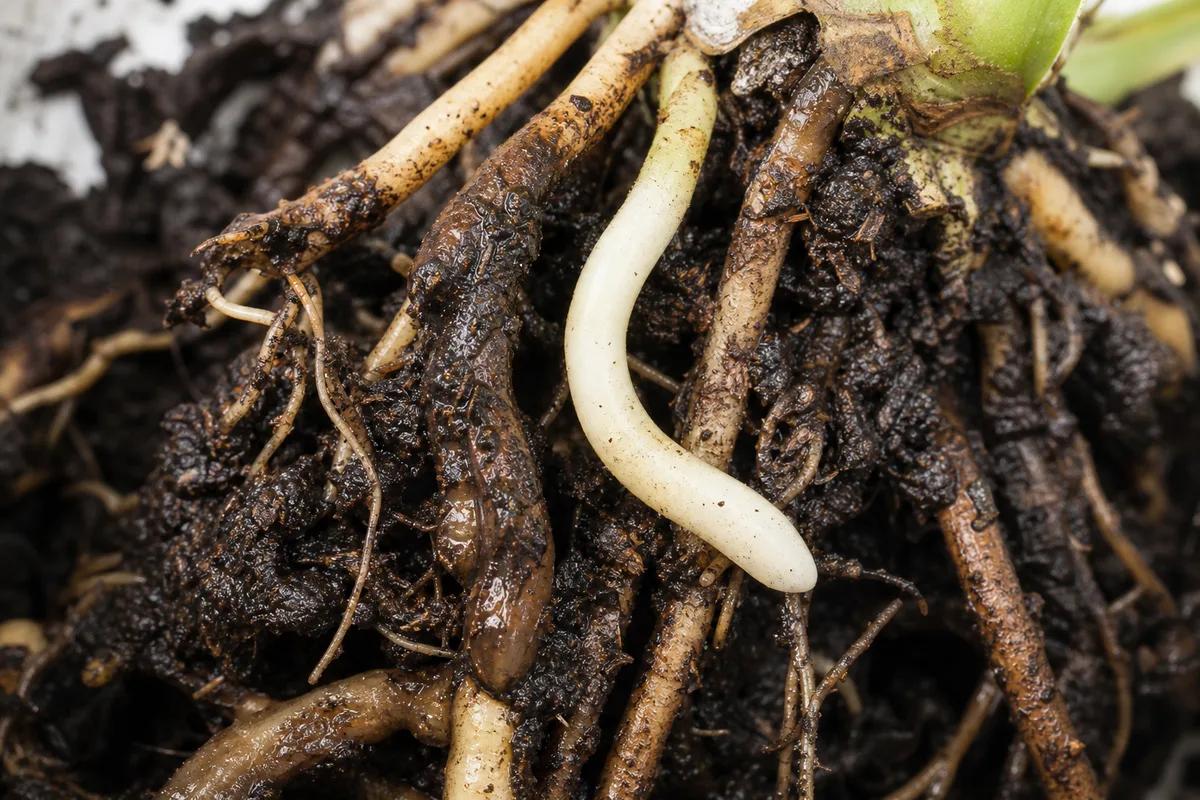
Substrate & Microfauna
Bioactive is one practical long-term enclosure approach:
- Drainage layer (LECA, lava rock).
- Mesh barrier.
- Soil blend (coco fibre, bark, charcoal, leaf mould).
- Thick oak leaf litter.
Seed with springtails and isopods to keep things clean and cycling.
Heating, Humidity & Lighting (UK Focus)
- Day temps: 22–25 °C
- Night temps: 20–22 °C
- Moisture: provide humid refuges and species-appropriate moisture cycles rather than a permanent 75–95% RH target
UK winters are tricky: central heating dries the air fast. Mist daily or install an automatic misting system.
Lighting: LED grow lights are fine, but LED/visible lighting should meet plant needs. If UVB is used, assess frog-level exposure and shade; a generic 2–5% bulb label is not a proven Ranitomeya requirement.
Cross-links:
Diet & Feeding
Thumbnails demand tiny prey.
- Staple: fruit flies (melanogaster for young, hydei for adults).
- Supplements: follow one coherent, formulation-specific system rather than a universal calcium-every-other-feed / weekly-multivitamin rotation.
- Bioactive tanks provide bonus snacks via microfauna.
Cross-link: Ultimate Fruit Fly Culture Media Mix.
Water & Tadpole Care
Ranitomeya often place tadpoles in bromeliad cups.
- Use RO or dechlorinated water for misting and topping up to avoid limescale.
- Provide multiple bromeliads to spread out tadpole care.
Cross-link: UK Water Chemistry Guide.
Breeding in Captivity
Males call from high perches to attract females.
Eggs are often deposited on leaves or in canisters. Tadpoles are either reared in bromeliads or can be collected and raised separately.
Useful tools:
Behaviour & Cohabitation
Despite their size, thumbnails are bold and vocal.
- Males often call daily, even in small rooms.
- They do well in pairs or trios but can be territorial in cramped setups.
- Never mix morphs or species to avoid hybridisation.
UK Challenges
- Dry winter air → mist more, plant heavily.
- Fruit fly culture crashes → run multiple cultures at once.
- Empty vertical space → add branches and bromeliads high up.
FAQ
- Are Ranitomeya beginner frogs? They’re more demanding than tincs, but manageable with experience.
- Do they need bromeliads? Yes — for behaviour and breeding.
- How loud are they? Surprisingly loud, but it’s part of their charm.