
Husbandry & Evidence Review – 5 September 2026
This article has been reviewed as part of Frogfather’s site-wide husbandry audit. For the current core guidance, use Dart Frog Humidity Guide (2026). This older condensation article contained fixed-RH and ‘self-watering ecosystem’ claims that are now corrected.
Every frog keeper or bioactive enthusiast knows the moment — you’ve just misted your enclosure, the glass fogs up instantly, and your beautifully planted setup vanishes behind a white haze. It’s natural to wonder, “Is condensation bad for my vivarium?” or even, “Does this mean humidity is too high?”
Good news — condensation on your vivarium glass is usually completely normal. It’s part of maintaining the warm, humid microclimate that dart frogs, isopods, and tropical plants need to thrive. But, when fogging becomes constant or extreme, it can signal an imbalance that affects visibility, air quality, and even plant health. Let’s clear things up — literally.
💧 What Causes Condensation in a Vivarium?
Condensation forms when warm, moist air inside the enclosure meets cooler glass surfaces. The air can’t hold all that water vapour, so it turns back into liquid droplets. This effect is strongest first thing in the morning, after misting, or when the surrounding room is cooler than your vivarium.
In bioactive vivariums, condensation is a natural by-product of high humidity — exactly what dart frogs and tropical plants evolved for. The goal isn’t to eliminate it, but to keep it under control and evenly balanced across the glass.
🌿 Understanding the Water Cycle Inside Your Vivarium
Water inside a vivarium moves through evaporation, plant transpiration, misting, drainage and condensation on cooler surfaces. Some condensate may return to the substrate, but this is not a closed or self-watering cycle and normal watering/drainage management remains necessary.
Condensation alone does not prove that humidity is stable, plants/microfauna are healthy or the ecosystem is balanced. It simply shows that moist air contacted a surface at or below its dew point.
🌡️ The Right Amount of Condensation
Light morning condensation can be normal, but it is not a reliable target or proof that conditions are healthy. Do not infer a universal 75–95% RH requirement from fogging; measure the enclosure and assess the relevant species, surface moisture and ventilation.
However, if condensation lingers all day or pools at the base of the glass, it can indicate:
- Insufficient airflow or ventilation
- Excessive misting or prolonged spray sessions
- Cool ambient room temperatures
- Waterlogged substrate or blocked drainage
🌞 Morning vs Evening Condensation
You might notice heavier fog in the mornings and clearer glass later in the day. This is completely normal. Cooler night-time temperatures cause vapour to condense, and as lights warm the enclosure through the day, it evaporates again.
If condensation remains thick into the afternoon, it could mean your glass temperature isn’t rising enough — usually due to weak lighting, cold surroundings, or poor airflow. On the other hand, if your glass dries completely by midday, your vivarium may be losing humidity too fast.
💨 How to Reduce Excess Fogging
Condensation is best controlled through gentle adjustments — not by drying out your vivarium completely. Here’s how to strike the right balance:
1. Improve Airflow
Increase cross-ventilation by slightly adjusting vents or using enclosures with angled airflow channels like the Frogfather 3D Vented Vivarium. A small movement of air helps water vapour circulate and reduces fog without dropping humidity dramatically.
2. Adjust Misting Schedule
Heavy condensation can result from water input, cold glass, room temperature and limited air exchange. There is no universal twice-daily misting correction: adjust duration/frequency to the actual enclosure, drainage, plants and animals.
3. Stabilise Room Temperature
If the room outside your vivarium is too cool, glass stays cold and condensation forms faster. Keeping the surrounding air within 20–24°C helps. Avoid placing enclosures near windows or cold walls where temperature drops sharply overnight.
4. Improve Drainage
Excess water in the drainage layer or substrate evaporates rapidly, increasing moisture levels. Ensure your false bottom or LECA layer isn’t flooded. Adding a drainage tap or extra coarse substrate layer helps regulate standing water.
5. Use Lighting to Your Advantage
Lighting not only supports plant growth but can also prevent fog buildup. Position your light above the vivarium to gently warm the glass surface. LED systems such as Jungle Dawn or compact UVB units are ideal — just ensure you maintain airflow and monitor temperatures.
🌤️ Light, Heat & Temperature Gradients
Uneven lighting or enclosure design can create hot and cold zones, making condensation patchy. A good vivarium should maintain a gentle temperature gradient from top to bottom, with warm air rising and circulating naturally.
If the top stays warm but the base remains cool and damp, consider repositioning lighting or venting to balance the gradient. This is particularly effective in tall or front-vented designs.
🧪 The Science Bit: Dew Point Explained
Condensation happens when air reaches its dew point — the temperature where vapour condenses back into liquid. Warm air holds more moisture; cool air holds less. When the glass is cooler than the surrounding air, droplets form.
You can’t eliminate this entirely, but by reducing the gap between inside and outside temperatures (and ensuring good airflow), you can manage condensation naturally without disrupting humidity balance.
💧 Troubleshooting: When Condensation Drips Constantly
If you see water running down the glass like rain, or pooling around the frame, it’s time to intervene. Continuous dripping can damage seals, promote mould, or waterlog your substrate. Try these fixes:
- Reduce misting duration by 20–30% and observe over 48 hours.
- Clean glass with a citric acid solution to remove mineral buildup that worsens droplet formation.
- Wipe the inside gently with a clean microfibre cloth to remove thick condensation temporarily — this can help regulate moisture layers.
- Ensure your lighting warms the upper glass enough to encourage evaporation during the day.
🪲 Condensation and Microfauna Health
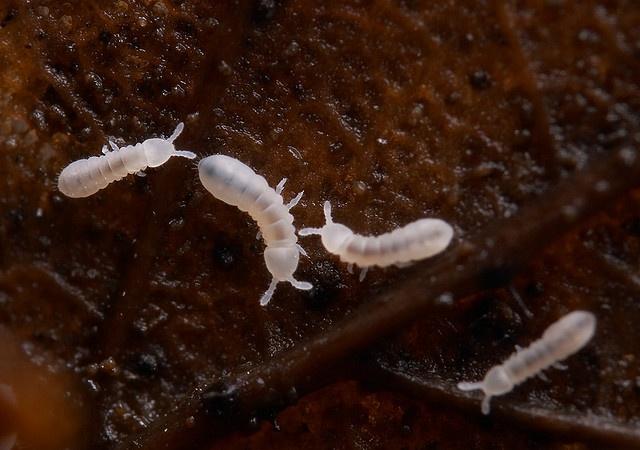
Microfauna — especially springtails and isopods — need humidity to survive, but stagnant air can suffocate colonies or slow reproduction. If condensation has increased noticeably, it may indicate low oxygen turnover.
Encourage microfauna stability with a Springtail Collection Riser. It allows you to culture and replenish springtails easily, supporting natural mould and algae control within your setup.
🌱 Related Issues: Mould, Algae, and Foggy Glass
Persistent condensation encourages mould and algae growth on glass, wood, and leaves. These aren’t inherently dangerous, but if visibility or airflow is affected, clean the glass using natural methods described in our guide: How to Clean Vivarium Glass Safely.
Algae often thrives on surfaces that remain moist for long periods. Improving airflow and maintaining a regular cleaning routine will prevent it from spreading.
🔄 Quick Fix Checklist
- 💨 Increase airflow slightly
- 🌡️ Stabilise room temperature
- 💧 Adjust misting frequency
- 🪴 Improve drainage layer
- ☀️ Warm the glass using lighting
❓ When Condensation Is a Red Flag
While normal condensation is healthy, pay attention if you notice:
- Persistent dripping water for more than 48 hours
- Condensation forming even when lights are on
- Frogs staying at the glass more often than usual (seeking oxygen)
- Strong, musty odours from the substrate
These signs suggest you may need to increase ventilation or check drainage for anaerobic pockets. Don’t worry — your bioactive setup is resilient. Small adjustments quickly restore balance.
✅ The bottom line ….
Condensation isn’t a problem — it’s feedback. It tells you humidity is high, your substrate is moist, and your plants are transpiring. The key is keeping it even and consistent. If your glass fogs after misting and clears gradually through the day, you’ve nailed the balance.
Bioactive ecosystems aren’t meant to be spotless — they’re meant to breathe, evolve, and stay alive. A living vivarium will always have a bit of fog, a few mushrooms, or the odd patch of mould — and that’s exactly what makes it natural. 🐸
❓ Frequently Asked Questions
Is condensation bad for my vivarium?
Light condensation can be normal, but it is neither beneficial nor harmful by itself and does not prove that humidity is correct. Persistent condensation should be interpreted alongside temperature, ventilation, water input and substrate moisture.
Can condensation harm my frogs?
Not directly. Frogs evolved to live in humid environments where condensation naturally forms. The risk comes only if the enclosure becomes stagnant or overly wet, which can reduce oxygen or promote mould growth.
How can I reduce fogging on my vivarium glass?
Start by improving airflow and stabilising room temperature. Use angled vents such as those on the Frogfather 3D Vented Vivarium, reduce misting frequency, and keep your drainage layer from flooding. Gentle warmth from overhead lighting also helps the glass stay clear.
Why does my vivarium glass fog up more at night?
Because the room cools down after lights go off, the warm moist air inside hits the colder glass and condenses. This is normal; condensation usually clears as temperatures rise again in the morning.
What humidity level should I aim for to avoid excessive condensation?
There is no single 75–95% RH range that suits every dart frog, plant and microfauna species. Use the species-specific humidity guide and provide useful moisture gradients and ventilation.
Should I wipe away condensation every day?
Not necessary. Wiping can disturb microfauna and natural cycles. Focus on adjusting airflow and misting instead. If water is pooling or dripping constantly, then clean the glass and review your ventilation.
Does condensation mean my vivarium needs more ventilation?
Sometimes. A thin film of condensation is fine, but if the enclosure never clears, it’s worth improving cross-ventilation or adding small vents near the top. This helps keep humidity stable without drying the setup out.