
“I added isopods, but they just disappeared.”
I hear that more often than you’d think.
Isopods are often marketed as universal clean-up crew animals that thrive in any bioactive setup. The reality is more nuanced. Some species explode in dart frog vivariums. Others slowly crash, stall, or simply never establish.
If your isopods aren’t breeding, aren’t visible, or seem to have vanished entirely, this guide will explain why — and how to fix it.
Not All Isopods Like the Same Conditions
The biggest mistake keepers make is assuming all isopods want “high humidity”.
Yes, dart frog vivariums are humid — but humidity alone doesn’t define habitat.
Different species require:
- Moisture gradients
- Air exchange
- Calcium availability
- Protein supplementation
- Leaf litter density
If your vivarium is uniformly wet and sealed, some species will struggle.
Common Reasons Isopods Fail
1. No Moisture Gradient
Isopods regulate their own moisture needs. If the entire enclosure is equally saturated, they can’t self-balance.
Some need a damp zone and a slightly drier refuge.
Constant saturation = stress.
2. Over-Misting
Heavy misting suppresses reproduction in many species.
Waterlogged substrate reduces oxygen pockets and increases anaerobic zones — conditions most isopods dislike.
This is especially true in small enclosures without proper airflow.
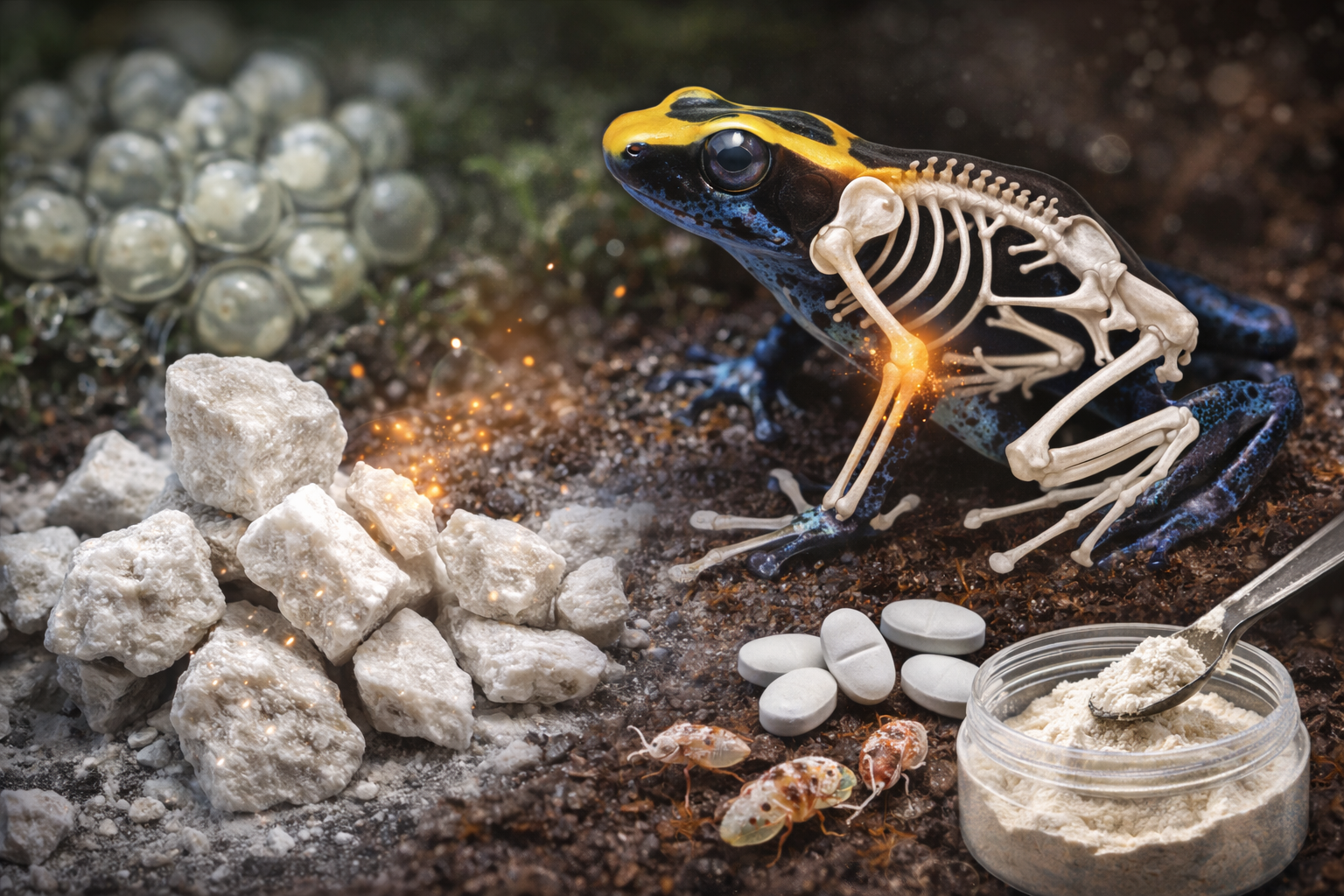
3. Lack of Calcium
Isopods need calcium for successful moulting.
If you never supplement calcium sources (cuttlebone, calcium powder, mineral-rich leaf litter), you may see:
- Failed moults
- Reduced reproduction
- Soft individuals
Calcium isn’t just for frogs.
4. Too Clean a Setup
Bioactive systems need fuel.
If you remove all leaf litter or regularly strip organic matter for aesthetics, you remove the isopods’ primary food source.
Leaf litter is not decoration — it’s infrastructure.
5. Species Mismatch
This is the big one.
Some isopods prefer:
- High airflow (e.g. many Porcellio species)
- Drier environments
- Warmer substrate layers
Others thrive in:
- Consistently humid leaf litter
- Low-light, damp microclimates
Putting a dry-loving species into a saturated dart frog vivarium often ends in decline.
What Works Well in Dart Frog Vivariums
Generally speaking, species that tolerate:
- High humidity
- Dense leaf litter
- Lower airflow
- Stable temperatures
tend to establish better in frog enclosures.
Smaller species often outperform large, flashy varieties in mixed frog systems.
Predation Pressure (The Unspoken Factor)
Let’s be honest — dart frogs will eat baby isopods.
If you add a small starter colony into a heavily stocked frog vivarium, predation alone may prevent establishment.
Solutions:
- Seed heavily at first
- Add leaf litter piles as refuges
- Allow population to establish before adding frogs (if possible)
Signs Your Isopods Are Thriving
- Multiple size classes visible
- Juveniles under bark
- Consistent moults
- Active feeding in leaf litter layers
If you only ever see the original adults, reproduction may not be happening.
Feeding Isopods Properly
Isopods are detritivores — but that doesn’t mean they thrive on neglect.
Occasional supplementation with vegetable matter or protein supports reproduction.
A balanced bioactive system supports both frogs and clean-up crew.
FAQ
Why did my isopods disappear?
Common causes include predation, over-misting, lack of calcium, and insufficient leaf litter.
Can dart frogs wipe out an isopod colony?
Yes, especially in smaller enclosures without refuges for juveniles.
Do isopods need extra food in a frog vivarium?
Occasional supplemental feeding can significantly improve breeding success.
Should I mix multiple isopod species?
Usually not. Competitive dominance can cause weaker species to crash.
Final Thoughts
If your isopods fail, it’s rarely because “isopods don’t work.”
It’s usually because the species chosen doesn’t match the environment — or the environment lacks the micro-conditions they need.
Bioactive success is about compatibility, not just adding more animals.