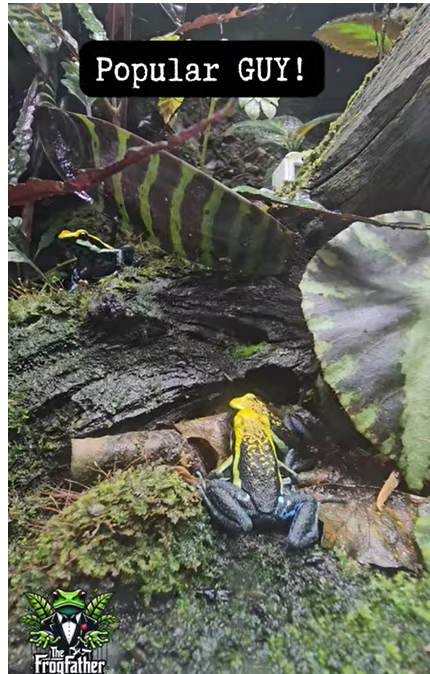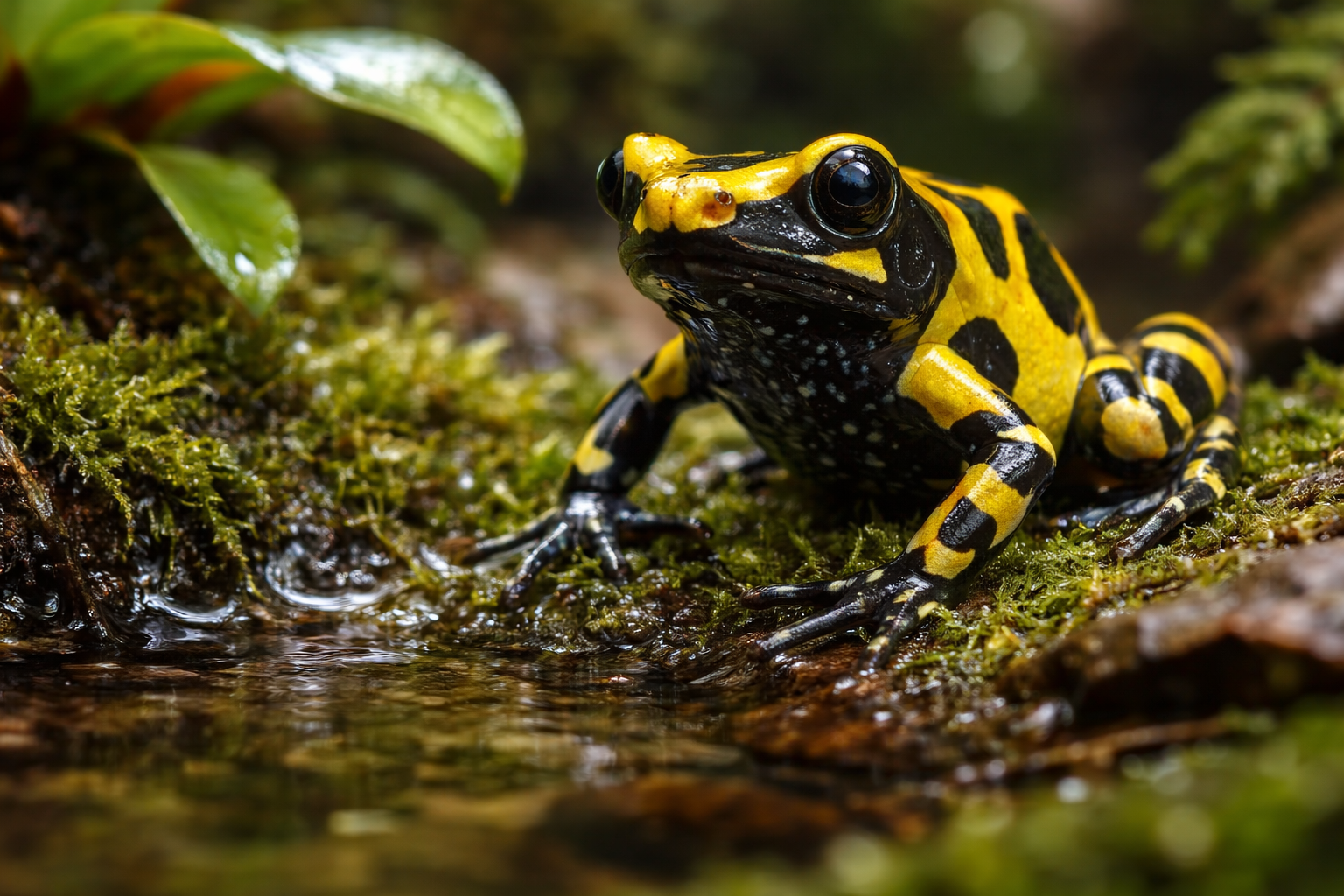

If you’ve been in the frog world for any length of time, you’ve probably felt it: the conversation has shifted. It’s no longer just “some species are struggling”. It’s “why are frogs disappearing everywhere?”
Right now we’re watching what some science writers have bluntly described as a global “hecatomb” of frogs and toads — a mass die-off happening across continents, across habitats, and across species that used to be considered resilient. And what makes it worse is this: it isn’t slowing down.
The uncomfortable truth: this isn’t one problem
When people hear “frogs are declining”, they often imagine a single cause. In reality, this is a stacked crisis — multiple pressures piling on top of each other, and when those pressures overlap, things collapse fast.
Two themes keep showing up again and again in recent reporting:
- A lethal skin disease (chytridiomycosis) driven by the fungus Batrachochytrium dendrobatidis (Bd)
- Habitat change and fragmentation, which strips away breeding sites and the microclimates frogs rely on
In a recent overview of the global situation, the science site Techno-Science highlights chytridiomycosis (Bd) as a major driver of declines, noting the speed and scale of its spread has shocked researchers.
Why Bd is so devastating
Frog skin isn’t “just skin”. It’s a vital organ used for:
- hydration
- respiration (many frogs breathe partly through the skin)
- electrolyte balance
Bd infects the skin. So instead of being “a bad rash”, it can literally push frogs into organ failure.
There’s also a nasty twist: Bd isn’t just one uniform thing. It exists as different strains with different behaviour and virulence. Techno-Science points to strain variation (including Bd-Brazil and Bd-GPL) as one reason the outbreak patterns are so complex — and why conservation responses can’t be one-size-fits-all.
How Bd went global (and why the details matter)
One of the most striking pieces of recent reporting comes from Agência FAPESP, covering research that strengthens the case that a Bd strain emerged in Brazil and then spread internationally via trade routes.
According to that report, researchers drew on evidence including:
- historic museum specimens tested for Bd presence
- genotyping from bullfrog farms
- trade route analysis involving dozens of countries
The key point isn’t “blame”. The point is biosecurity: pathogens move when we move animals and animal products. If we don’t understand how diseases travel, we keep accidentally building highways for them.
Habitat loss is the multiplier nobody gets to ignore
Even without disease, habitat loss would be hammering amphibians. But alongside Bd, it becomes a multiplier: smaller, fragmented populations are less able to recover and less able to adapt.
Frogs are often loyal to very specific microhabitats — a particular seep, a certain patch of forest floor, one bromeliad zone, one creek line. When those sites disappear or dry out, breeding can stop entirely, even if adult frogs survive for a while.
And when the landscape is chopped into isolated pockets, recolonisation becomes harder. Populations turn into islands. One bad season can wipe out the whole island.
So… why should keepers care?
This is where I’ll be honest: if you keep frogs (or even just love them), it’s impossible not to feel a bit sick reading this stuff.
But it also matters for practical reasons:
- Education becomes conservation — the more people understand disease risk and habitat sensitivity, the better decisions they make.
- Captive populations matter — not as trophies, but as insurance and awareness engines when done responsibly.
- Biosecurity becomes non-negotiable — especially around new acquisitions, tools, and cross-contact between enclosures.
And the bigger picture? Amphibians are environmental “early warning systems”. When they crash, ecosystems are telling us something is badly off.
Where the hope is coming from
Here’s the good news: even in the middle of this crisis, genuinely hopeful stories are emerging — and they aren’t all “big government project” stories either.
In the next articles in this series we’ll dig into:
- the fungus in more detail — what it is, how it spreads, and what actually helps
- why private land and citizen science are turning out to be unexpectedly important refuges
- how a “new” frog species was described from a single museum specimen collected more than 60 years ago
Sources
- Techno-Science: “Why are we witnessing a global hecatomb of frogs and toads?”
- Agência FAPESP: “Deadly to amphibians, a fungal strain emerged in Brazil and spread around the world”
Read next: Deadly Frog Fungus: How Bd Is Reshaping Amphibian Life on Earth