If you’re new to bioactive vivariums, you’re in the right place.
Bioactive setups can feel overwhelming at first — substrates, drainage, microfauna, plants, feeding, supplements, lighting… and everyone online seems to do it differently. Frogfather exists to simplify that process with a clear path you can follow.
This page will guide you to the right place (and help you avoid the common mistakes that cause problems later).
Step 1: Learn the fundamentals (free, UK-focused)
Bioactive Vivariums & Dart Frog Husbandry – Professional Fundamentals (Free Course)
If you’re new — or even fairly experienced — the course is the best place to start. It’s designed as a practical introduction and a quick reference guide you can come back to.
Start the free Bioactive Vivariums & Dart Frog Husbandry course
The course will help you understand:
- What “bioactive” actually means (and what it doesn’t)
- Substrate layers and drainage explained properly
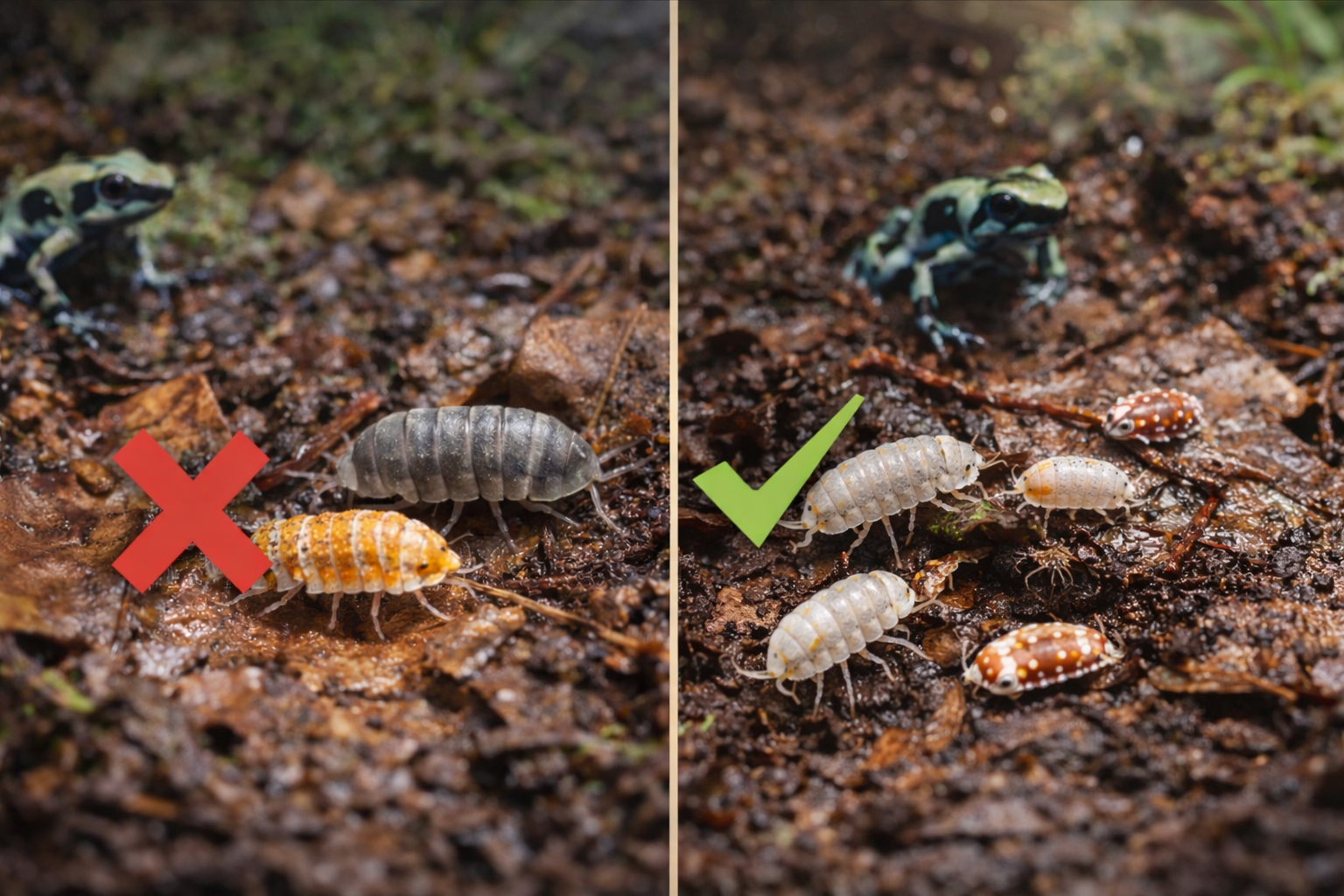
- The role of microfauna (springtails and isopods) in keeping the system stable
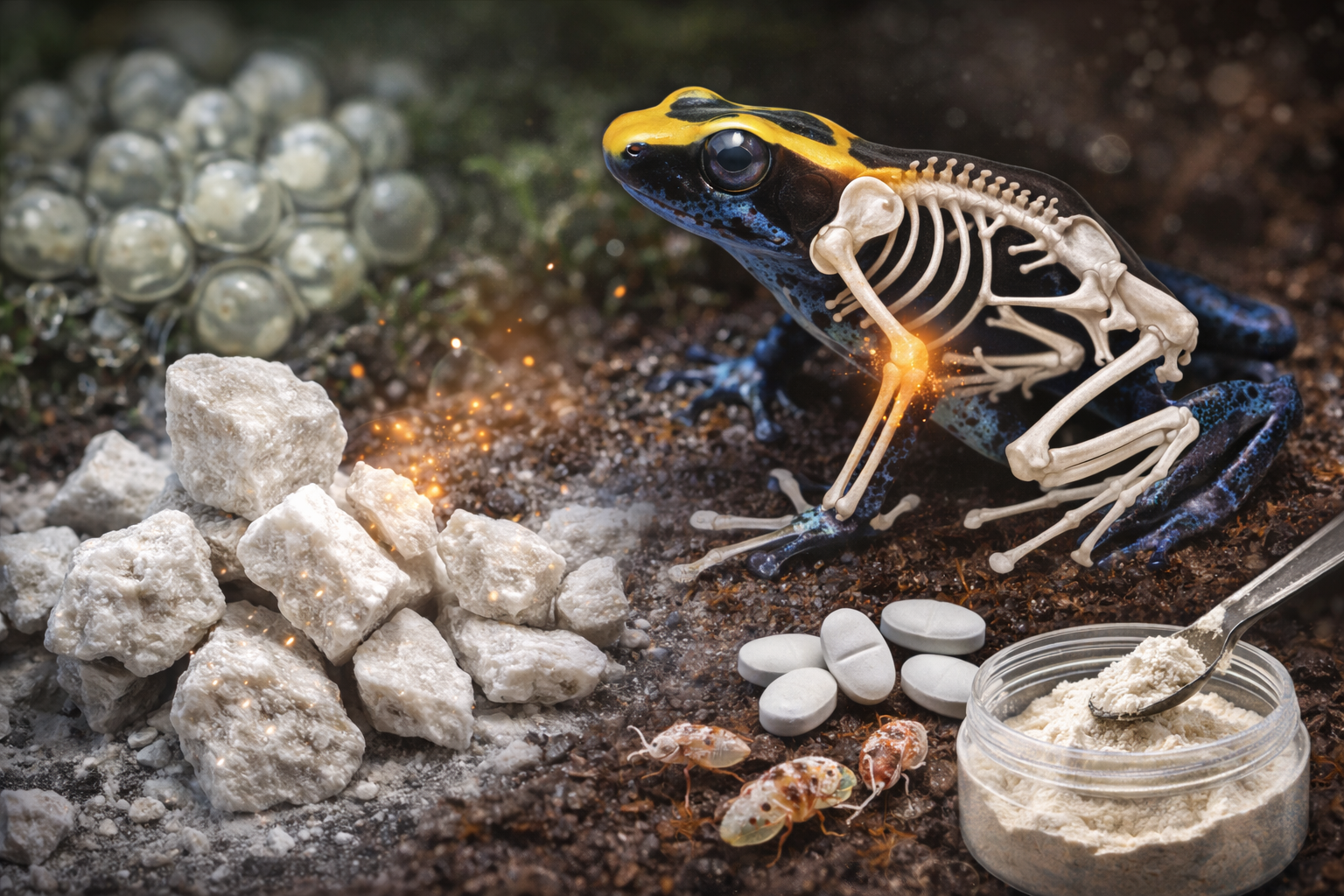
- Supplement basics — what matters, what’s optional, and how to keep it simple
- The common early mistakes that lead to mould, crashes, and stressed animals
If you want one reliable starting point that’s written for UK keepers, the course is it.
Step 2:Build a stable bioactive system
Microfauna: the engine of every bioactive vivarium
Springtails and isopods aren’t optional extras — they’re what keep a bioactive vivarium alive. They help break down waste, control mould, and support long-term soil health.
Shop microfauna, microfauna foods, and supplements
If you’re choosing your first clean-up crew, the course will help you pick species that are beginner-friendly.
Step 3: Feeding & supplements (simple, not overcomplicated)

Supplements shouldn’t be confusing — but they often are. Calcium, vitamins, gut-loading, rotation schedules… it’s easy to overthink.
The goal is simple: support long-term health without stacking unnecessary overlap. If you’re new, use the course as your quick reference, and keep your routine consistent.
Browse supplements and food for microfauna and bioactive systems
Step 4: Plants, habitat items, and the shop
Plants for real bioactive setups
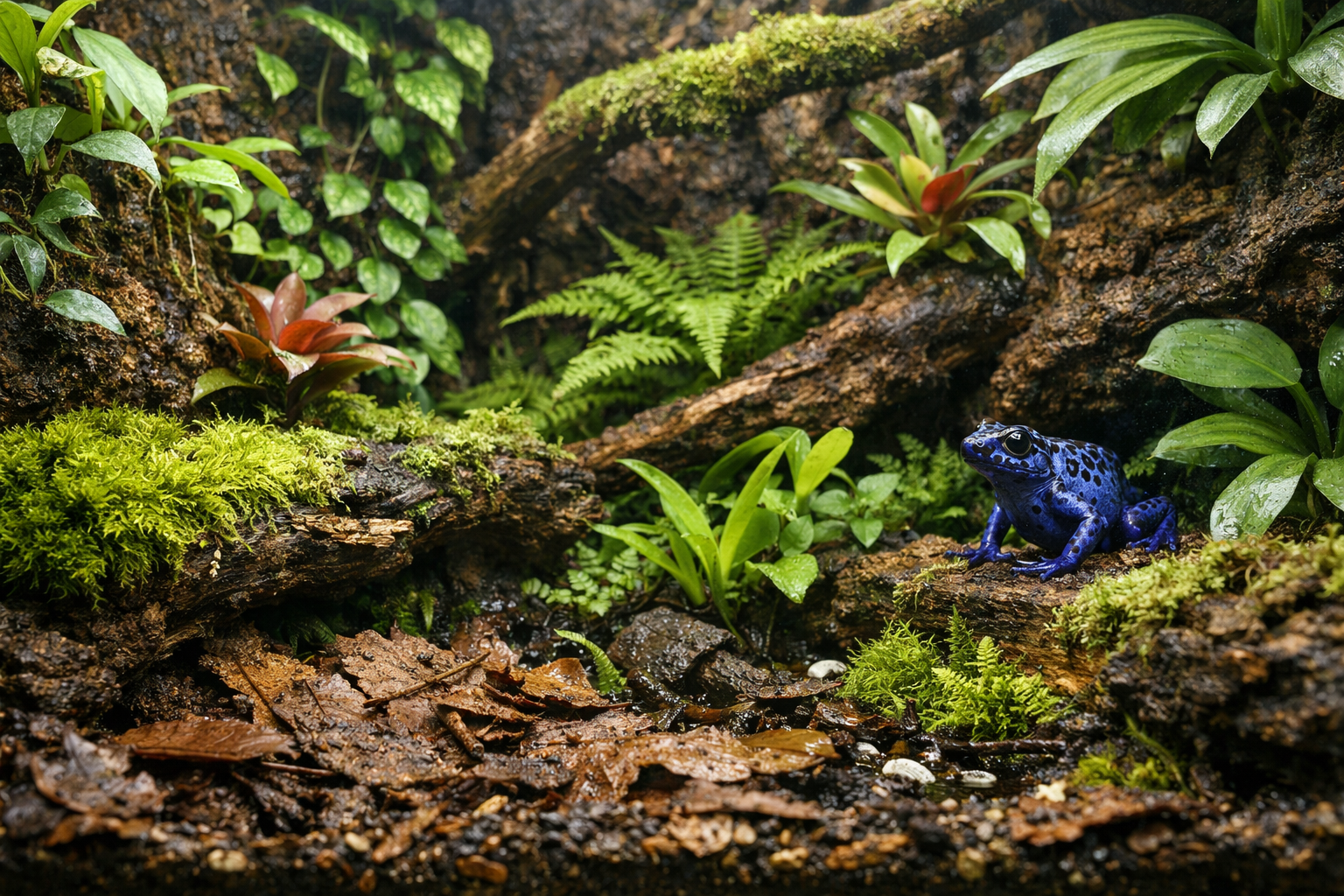
Not all “terrarium plants” thrive long-term in bioactive conditions. The right plant choices help with cover, humidity stability, and a more natural, confident environment.
Explore vivarium and terrarium plants for bioactive setups
Shop by category
If you already know what you’re looking for, head straight to the shop and browse by category.
Browse the Frogfather shop (enclosures, accessories, and habitat gear)
Not sure where to start?
If you’re feeling unsure, do this:
- Start the free course and learn the fundamentals
- Come back to this page when something clicks
- Build gradually — bioactive systems reward patience
This page exists so you don’t have to piece everything together from dozens of conflicting sources.
Why Frogfather?
Frogfather is built around practical husbandry and systems that work — without hype, shortcuts, or gatekeeping. The aim is to make bioactive setups easier to build, easier to maintain, and easier to enjoy.
New to bioactive vivariums? Start the free course here and use it as your quick reference as you build.