
Description
Dendrobates tinctorius ‘Oyapock’ Tadpoles
Raise one of the most attractive Dendrobates tinctorius localities from tadpole to froglet.
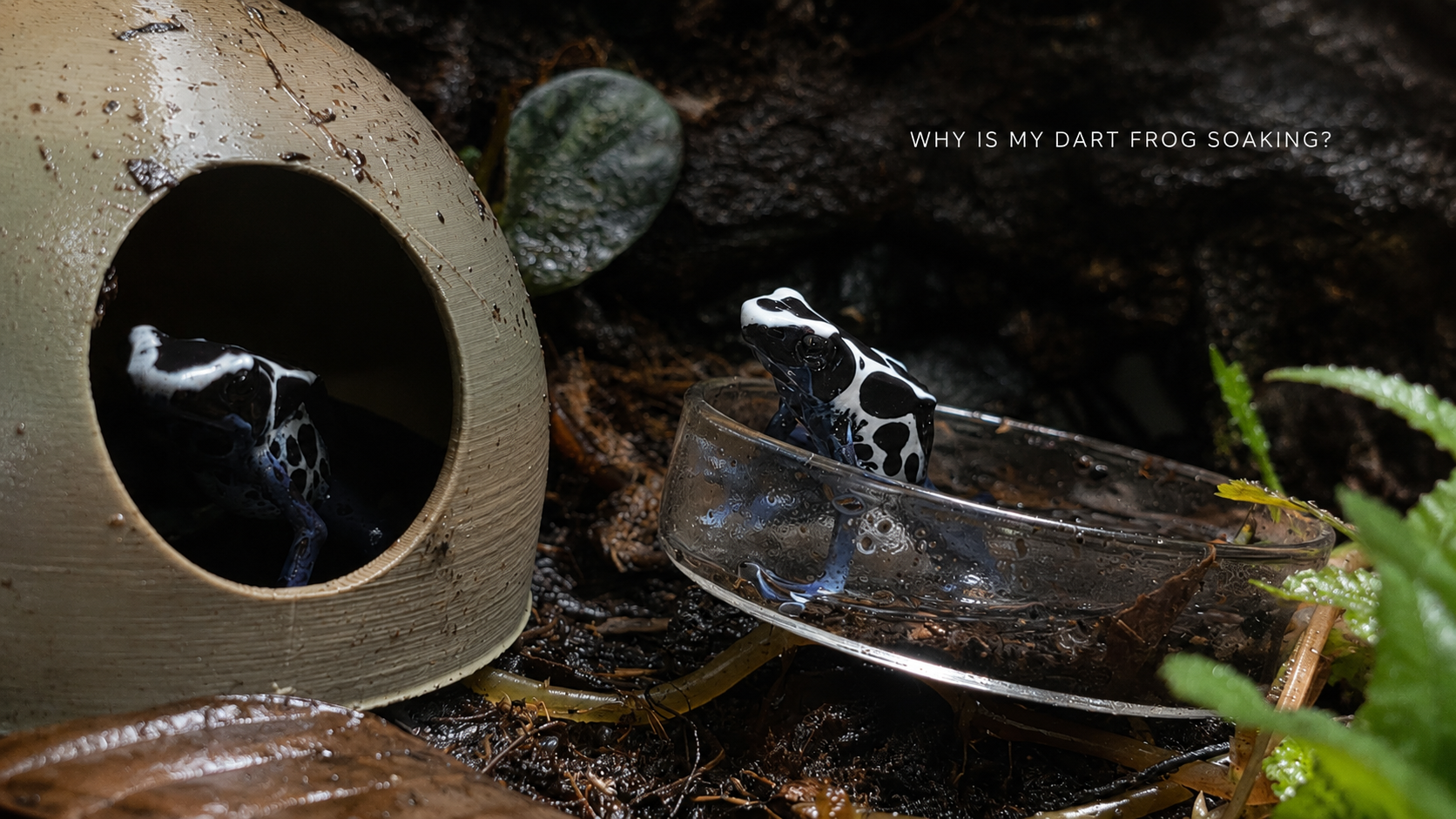
These captive-bred Dendrobates tinctorius ‘Oyapock’ tadpoles have been produced here at Frogfather HQ. Oyapock dart frogs are known for their beautifully contrasting pale cream or white, black and blue markings, with every adult developing its own individual pattern.
The locality is named after the Oyapock River region on the border between French Guiana and Brazil. You may also see the locality written as “Oyapok” within the dart frog hobby.
What you will receive
- One captive-bred Dendrobates tinctorius ‘Oyapock’ tadpole
- Supplied in its own secure individual container
- Established, feeding and carefully checked before dispatch
- Clear guidance to help you raise it through metamorphosis
- Ongoing support from the Frogfather if you have any questions
Please note: The exact size and stage of development will vary naturally between tadpoles. Unless agreed otherwise, we select a healthy tadpole from those available rather than supplying a particular developmental stage.
About Oyapock dart frogs
Dendrobates tinctorius ‘Oyapock’ is a relatively compact locality of the dyeing poison dart frog. Adults are active during the day and develop striking contrasting markings, typically combining black with pale cream or white patterning and blue coloration on the legs and lower body.
The final markings cannot be predicted from the appearance of a tadpole. Part of the pleasure of raising a dart frog from this stage is watching its colours and unique pattern develop during and after metamorphosis.
| Scientific name | Dendrobates tinctorius |
|---|---|
| Locality | Oyapock |
| Common name | Oyapock dyeing poison dart frog |
| Origin | Captive bred at Frogfather HQ |
| Activity | Diurnal as froglets and adults |
| Experience level | Suitable for attentive beginners with the correct preparation |
| Adult social grouping | Usually best maintained as a compatible sexed pair |
Basic tadpole care
Each tadpole should be raised separately in a suitable container containing clean, conditioned tadpole water. Individual rearing prevents competition and removes the risk of one tadpole injuring or consuming another.
- Keep the water clean, stable and free from chlorine or chloramine.
- Avoid sudden changes in water temperature or chemistry.
- Feed small quantities of a suitable dart frog tadpole food.
- Remove uneaten food before it begins to spoil the water.
- Keep the container away from direct sunlight and overheating.
- Prepare a secure froglet enclosure before the front legs emerge.
Overfeeding is one of the most common causes of poor water quality. A tiny amount of food is sufficient; the tadpole should be allowed to finish most of it before more is added.
Preparing for metamorphosis
Once the rear legs have developed and the front legs begin to emerge, the tadpole will need easy access to leave the water. Its container should be tilted or provided with a gently sloping exit so the developing froglet cannot become exhausted or drown.
Newly emerged froglets are extremely small and will require an escape-proof, humid grow-out enclosure together with appropriately sized live food. Springtails and very small fruit flies are normally used during this stage.
Adult housing
Although Oyapocks are among the more compact Dendrobates tinctorius localities, they still require a properly established tropical bioactive vivarium as adults. The enclosure should provide good ventilation, leaf litter, planting, hides and suitable feeding areas.
Dendrobates tinctorius can become territorial as they mature. They are generally most reliably maintained as a compatible adult pair rather than an unsexed group. Young frogs cannot be reliably sexed, so you should have a plan for separating animals if aggression develops.
Different Dendrobates tinctorius localities should never be mixed or allowed to breed together. Maintaining accurate locality information protects the integrity of captive populations.
Are captive dart frogs poisonous?
Captive-bred dart frogs do not receive the specialised wild diet from which wild frogs obtain their defensive skin toxins. They are therefore not considered poisonous when maintained in captivity. As with all amphibians, handling should still be avoided unless it is necessary for the animal’s welfare.
Collection and delivery
Tadpoles may be collected by arrangement from Nottingham or sent using an appropriate tracked next-day service in secure, insulated packaging.
Dispatch may be postponed during unsuitable weather or other conditions that could compromise animal welfare. The welfare of the tadpole will always take priority over the original dispatch date.
Before ordering
- Please make sure you understand the tadpole and froglet stages before ordering.
- Have suitable conditioned water and tadpole food ready.
- Prepare the froglet enclosure before metamorphosis begins.
- Ensure that someone will be available to receive the parcel.
- Contact us before ordering if you are unsure whether these tadpoles are right for you.
Photographs of adult frogs are representative of the locality only. Tadpoles are not sexable, and their eventual markings, sex and precise coloration cannot be guaranteed.
Need help?
We are happy to provide advice throughout the tadpole’s development. If you have a question about feeding, water quality, metamorphosis or preparing an adult vivarium, please contact the Frogfather through WhatsApp.




