Description
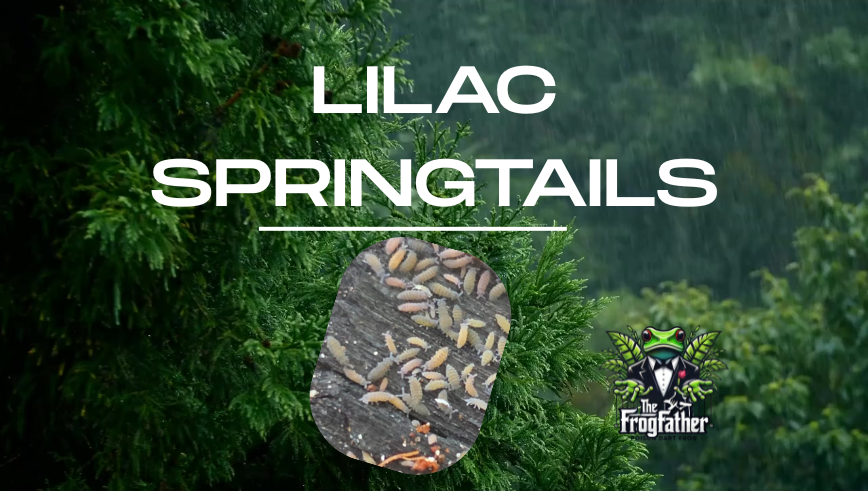
Lilac / Purple Springtails – Live Bioactive Culture
A live lilac/purple springtail culture supplied for warm, humid culture systems and appropriate tropical bioactive enclosures, with food included.
Uses
- Can graze fungal and microbial growth and decomposing organic material.
- Add visible variation to microfauna cultures and planted displays.
- May provide occasional tiny live prey for suitable animals.
We have removed wording that treats the clean-up effect as “essential” or claims that these springtails automatically create a balanced or healthier substrate. Springtail diets and ecological effects vary among taxa and enclosure conditions.
Care
Feed sparingly, keep the culture appropriately moist and allow it to establish before substantial harvesting. Avoid heavy feeding that remains uneaten. Live-culture density varies naturally.
Mixing springtail types
Different springtail cultures can be used in the same broader husbandry programme, but we do not claim that mixing colour forms or species automatically creates greater “functional diversity” or a better ecosystem. Competition and persistence will depend on the taxa and conditions involved.
Microfauna & Evidence Review
Last reviewed: 5 September 2026
Springtails are part of terrestrial decomposer food webs. Many species feed on fungi, microbes and decaying organic material, and microarthropods can contribute to decomposition. Their exact diet and ecological effect vary among taxa and conditions, so Frogfather does not describe a springtail culture as a complete waste-removal system or a guarantee of a stable, self-sustaining vivarium.
Bioactive enclosures still require observation, suitable substrate and leaf litter, moisture and ventilation management, animal feeding, plant care and removal of uneaten food or accumulated waste when necessary.
Evidence & further reading
- García-Palacios et al. / microarthropod decomposition meta-analysis
- Worldwide review of trophic resources of soil microarthropods