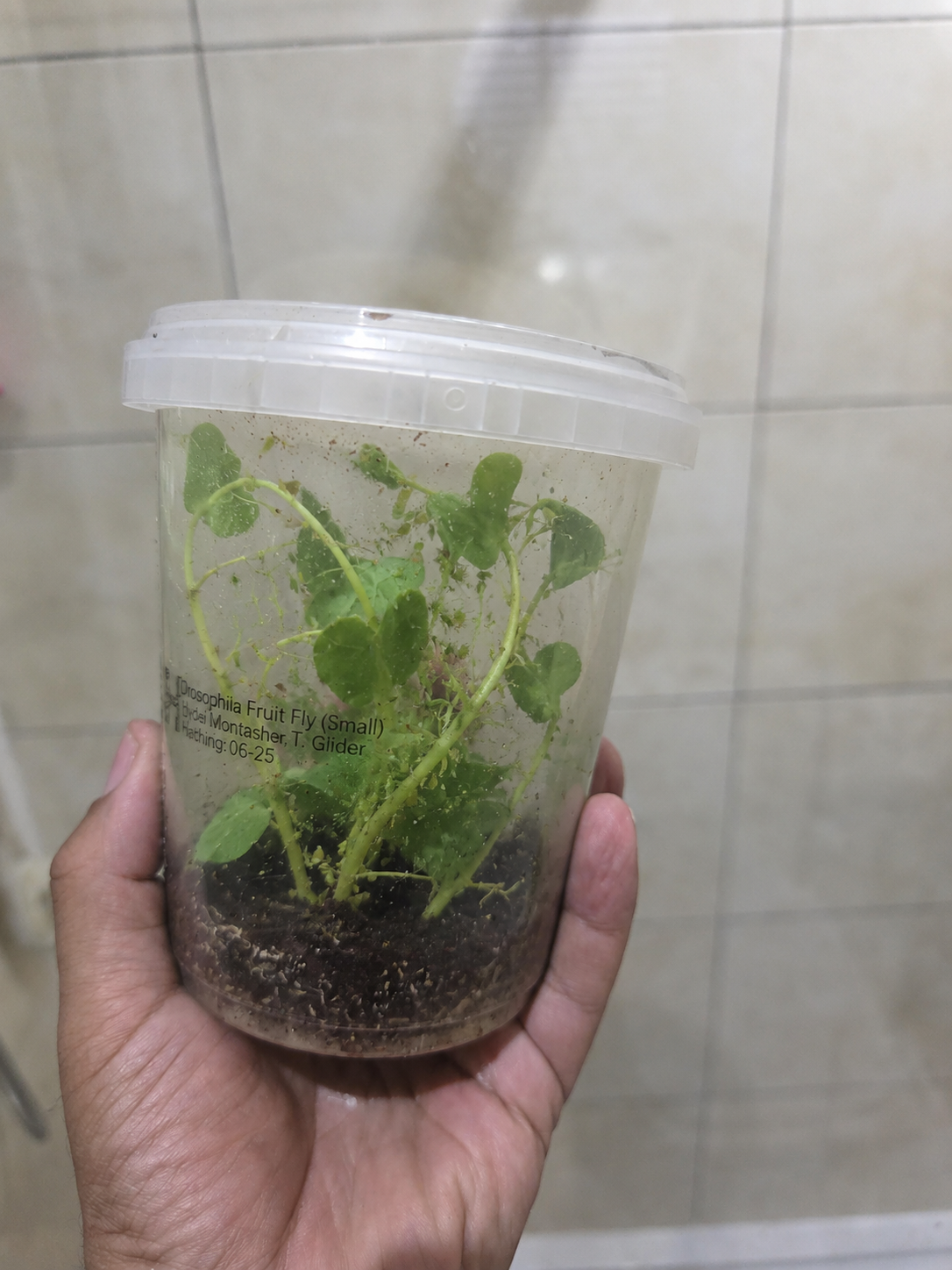

Fruit flies may form the foundation of most captive dart frog diets, but they are not the only live food worth culturing.
Grindle worms are small, soft-bodied worms that can provide useful dietary variety for dart frogs, froglets and other small amphibians.
They are inexpensive to culture, require very little space and can produce a steady supply of live food throughout the year.
In this complete guide, we will explain how to start and maintain a grindle worm culture, how to harvest the worms cleanly and how to introduce them safely into a balanced dart frog feeding routine.
What Are Grindle Worms?
Grindle worms, commonly associated with Enchytraeus buchholzi, are small terrestrial relatives of earthworms.
They live within damp organic material and feed on decomposing matter and the foods supplied by the keeper.
Because they are smaller than white worms and have a soft body, they can be taken by many small amphibians that would struggle with larger worm species.
Why Feed Grindle Worms to Dart Frogs?
Grindle worms offer a different shape, texture and style of movement from fruit flies.
This can encourage natural hunting behaviour and provide enrichment by giving frogs unfamiliar prey to investigate.
They can be particularly useful for:
- Adding variety to a fruit-fly-based diet.
- Feeding larger froglets and juvenile dart frogs.
- Supporting adult and breeding animals as part of a varied feeding programme.
- Encouraging feeding in animals that respond strongly to crawling prey.
- Providing a live food that can be cultured in a small space.
They should be viewed as a supplementary feeder rather than the only food offered.
🐸 Frogfather Philosophy
Dietary variety does not require dozens of complicated live-food cultures.
A dependable fruit fly routine, appropriate supplementation and one or two additional feeders can provide a practical and sustainable feeding programme.
Grindle worms are useful because they add variety without requiring a large amount of space or equipment.
Are Grindle Worms Suitable for Every Dart Frog?
Grindle worms can be accepted by many dart frogs, but suitability depends on the size of both the frog and the worm.
Adult frogs and larger juveniles are generally the most suitable recipients. Very small froglets may require springtails or Drosophila melanogaster until they are large enough to tackle grindle worms comfortably.
Always observe the frogs while introducing a new feeder and offer only a small quantity initially.
Advantages of Grindle Worms
- Soft-bodied and easy for suitable frogs to consume.
- Simple to culture at home.
- Require very little space.
- Produce continuously when maintained correctly.
- Useful for dietary variety and enrichment.
- Easy to harvest from the surface of a healthy culture.
- Suitable for several small amphibian and fish species.
Are Grindle Worms a Staple Food?
We do not recommend relying on grindle worms as the sole or primary food for dart frogs.
Fruit flies remain a more practical everyday staple for most species because they are easy to dust evenly, disperse throughout the vivarium and encourage active hunting.
Grindle worms are best used periodically alongside fruit flies, springtails, bean beetles and other appropriately sized live foods.
This provides additional variety without disrupting a reliable feeding routine.
Grindle Worms and Supplementation
Live-food variety does not remove the need for a suitable vitamin and mineral supplement.
Grindle worms can be more difficult to coat evenly than dry-bodied insects, so they should not be relied upon as the only vehicle for supplementation.
Continue offering properly dusted fruit flies or other suitable insects as part of the wider feeding programme.
What Does a Healthy Culture Look Like?
A healthy grindle worm culture should have:
- Numerous small white worms visible near the feeding area.
- Damp but not waterlogged culture material.
- A mild earthy smell rather than a sour or rotten odour.
- No heavy growth of mould.
- Consistent reproduction and regular harvests.
A culture that smells strongly unpleasant, becomes saturated or repeatedly develops mould usually requires corrective action or replacement.
Next: We will build the culture itself, including container choice, ventilation, culture media, feeding and moisture control.
How to Culture Grindle Worms
Grindle worms are among the simplest live foods to culture successfully. Once established, a healthy culture can produce worms for many months with only basic maintenance.
The key to success is providing a consistently damp environment, adequate ventilation and regular feeding without allowing the culture to become excessively wet or contaminated.
Choosing a Culture Container
Almost any shallow plastic container with a secure lid can be used.
Many keepers use food storage tubs between one and three litres in capacity. A shallow container provides a larger surface area for harvesting while making routine maintenance easier.
The lid should contain several small ventilation holes. Good airflow helps prevent stale conditions and discourages mould growth while still retaining sufficient humidity for the worms.
Choosing a Culture Medium
Grindle worms can be cultured on a variety of damp substrates.
Common options include:
- Coir (coconut fibre).
- Sponge cultures.
- Fine horticultural compost without added fertilisers.
- Synthetic filter matting.
At Frogfather we generally favour clean, inert media that retain moisture well while allowing easy harvesting and reducing the likelihood of introducing pests.
Moisture Levels
The culture medium should remain consistently damp but never saturated.
If water can be squeezed from the substrate, it is too wet.
Excess moisture reduces oxygen levels, encourages bacterial growth and frequently leads to unpleasant odours or culture crashes.
If the culture begins to dry out, lightly mist or add a small quantity of water rather than soaking the entire substrate.
Temperature
Grindle worms reproduce best at typical indoor temperatures.
A range of 20–24°C usually provides excellent productivity.
Higher temperatures may accelerate bacterial growth and shorten the life of the culture, while significantly cooler conditions slow reproduction.
Consistency is generally more important than chasing the highest possible production.
🐸 Frogfather Tip
Keep two or three cultures running simultaneously.
If one culture becomes contaminated or declines unexpectedly, you’ll already have another producing worms. This simple rotation provides a much more reliable food supply.
What Do Grindle Worms Eat?
Grindle worms will consume a range of foods, but high-quality dry foods tend to produce the cleanest cultures.
Common options include:
- Fine fish flakes.
- High-quality fish pellets.
- Dry cat biscuits soaked briefly before feeding.
- Commercial worm diets.
Only offer enough food that will be consumed within a day or two. Overfeeding is one of the most common causes of mould and bacterial growth.
How Often Should You Feed the Culture?
Small, regular meals produce healthier cultures than infrequent large feedings.
Check the feeding area every couple of days and replace any uneaten food before it begins to spoil.
A healthy culture will rapidly gather around fresh food, making it easy to monitor the population.
How Long Before a New Culture Produces Worms?
A newly established culture usually requires a short settling period before production increases.
Provided conditions remain favourable, numbers should steadily increase over the following weeks until regular harvesting becomes possible.
Avoid harvesting heavily during the early stages, allowing the population to establish fully before taking significant quantities.
Next: We’ll cover harvesting grindle worms, feeding them safely to dart frogs, supplementation and solving the most common culture problems.
How to Harvest Grindle Worms
Harvesting grindle worms is straightforward once the culture is fully established. Healthy worms naturally congregate around fresh food, making them easy to collect without disturbing the rest of the culture.
Many keepers feed the worms on a small piece of glass, plastic or mesh placed on the surface of the culture medium. As the worms gather underneath and around the feeding area, they can simply be lifted away and collected.
This method keeps the worms clean and minimises the amount of culture material transferred into the vivarium.
Preparing Grindle Worms for Feeding
Before offering grindle worms to your frogs, it’s good practice to separate them from excess substrate and uneaten food.
A quick rinse with clean water or gentle transfer from the feeding surface is usually sufficient. Presenting clean live food helps maintain good vivarium hygiene and reduces the introduction of unwanted organic material.
Do Dart Frogs Like Grindle Worms?
Many dart frogs readily accept grindle worms, particularly adults and larger juveniles.
The worms move differently from fruit flies, often wriggling across leaves and moss before disappearing beneath the substrate. This natural movement can stimulate hunting behaviour and provide valuable environmental enrichment.
Some frogs investigate them immediately, while others may require a few feeding sessions before recognising them as prey.
Which Dart Frogs Benefit Most?
Grindle worms are best suited to:
- Adult dart frogs.
- Larger juvenile dart frogs.
- Breeding animals requiring dietary variety.
- Species that readily hunt crawling prey.
Very young froglets are generally better served by springtails and Drosophila melanogaster until they are large enough to handle grindle worms comfortably.
Should Grindle Worms Be Dusted?
Yes, although they can be more challenging to coat evenly than dry-bodied insects.
For this reason, grindle worms should be viewed as an additional feeder rather than the primary method of delivering vitamins and minerals.
Continue offering properly dusted fruit flies and other live foods as the foundation of your supplementation programme.
For a detailed explanation of supplementation, see our Complete Guide to Dart Frog Supplementation.
How Often Should You Feed Grindle Worms?
We recommend offering grindle worms as part of a varied feeding programme rather than at every feed.
For many collections, providing them once or twice each week alongside fruit flies, springtails, bean beetles and other suitable live foods offers an excellent balance of variety and practicality.
Grindle Worms vs Fruit Flies
| Fruit Flies | Grindle Worms |
|---|---|
| Ideal everyday staple. | Excellent supplementary feeder. |
| Easy to dust evenly. | More difficult to dust effectively. |
| Active climbing and flying behaviour. | Slow crawling movement. |
| Suitable for nearly all dart frogs. | Best suited to larger juveniles and adults. |
Rather than choosing one over the other, we recommend using both as part of a balanced feeding programme.
Read our Complete Guide to Fruit Fly Cultures for more information on maintaining staple feeder insects.
🐸 Frogfather Philosophy
The healthiest feeding routine is often the simplest one you can maintain consistently.
Instead of chasing dozens of different live foods, establish one dependable staple and introduce one or two supplementary feeders such as grindle worms to provide variety and encourage natural hunting behaviour.
Signs of a Healthy Feeding Response
- Frogs actively investigate moving worms.
- Worms are consumed within a few minutes.
- Little or no uneaten food remains.
- Frogs maintain healthy body condition and activity levels.
- Regular feeding behaviour without signs of stress.
Next: We’ll troubleshoot common culture problems, answer frequently asked questions and explain how grindle worms fit into a complete dart frog nutrition programme.
Common Grindle Worm Culture Problems
Grindle worm cultures are generally reliable, but even well-established cultures can occasionally encounter problems. Most issues are caused by excess moisture, overfeeding or poor hygiene and are usually easy to correct.
The Culture Smells Bad
A healthy grindle worm culture should have a mild earthy smell. A sour or rotten odour usually indicates that uneaten food is decomposing or that the culture has become too wet.
Remove any old food, improve ventilation and, if necessary, transfer the worms to fresh culture medium.
Mould Appearing on the Food
Small amounts of mould can occur if too much food is offered. Feed smaller quantities more frequently and remove any leftovers before they begin to spoil.
Maintaining good airflow also helps reduce fungal growth.
The Culture Has Stopped Producing Worms
If reproduction slows or stops, first check the moisture level and temperature. Cultures that become too dry, too wet or too cold often reproduce more slowly.
Older cultures may simply be reaching the end of their productive life. Starting a fresh culture every few weeks helps maintain a continuous supply.
Mites in the Culture
Mites occasionally appear in live-food cultures, particularly where hygiene has declined or excess food has accumulated.
If mite numbers remain low they may cause little disruption, but heavy infestations usually justify starting a fresh culture using clean equipment and a healthy starter population.
Frequently Asked Questions
Can grindle worms replace fruit flies?
No. Grindle worms are best regarded as a supplementary live food that adds variety alongside fruit flies rather than replacing them.
Are grindle worms suitable for froglets?
Larger froglets may accept grindle worms, but newly morphed froglets are usually better started on springtails and Drosophila melanogaster.
Do grindle worms need light?
No. They thrive perfectly well under normal room lighting and do not require specialised lighting equipment.
How long does a culture last?
With regular feeding and good maintenance, a healthy culture can remain productive for many months. Periodically dividing or restarting cultures helps ensure consistent production.
Can I keep more than one culture?
Absolutely. Running two or three cultures at different stages is one of the simplest ways to guarantee a continuous supply of live food.
Further Reading
- Complete Guide to Feeding Dart Frogs
- Complete Guide to Fruit Fly Cultures
- Complete Guide to Bean Beetles
- Complete Guide to Dart Frog Supplementation
- Complete Guide to Springtails
Final Thoughts
Grindle worms are a simple, productive and rewarding live food that deserve a place alongside more familiar feeder insects.
While they should not replace fruit flies as the foundation of a dart frog feeding programme, they provide valuable dietary variety and encourage natural hunting behaviour in many species.
With very little equipment, minimal running costs and straightforward maintenance, grindle worms are an excellent choice for keepers looking to broaden the range of prey offered to their frogs.
At Frogfather, we believe successful amphibian nutrition is built on consistency, sensible supplementation and a carefully chosen selection of quality live foods. Grindle worms fit perfectly into that philosophy and can become a dependable part of your long-term feeding routine.
Article Summary
Grindle worms are an easy-to-maintain supplementary live food that provide dietary variety for dart frogs. By culturing them correctly, maintaining clean conditions and using them alongside dusted fruit flies and other suitable feeders, you can create a more diverse and enriching feeding programme that supports long-term health and natural behaviour.